Chasing Brazil's Rhythms From Salvador to Olinda
Brazil's real soundtrack lives in Salvador's blocos, Olinda's frevo streets, and the forró dancehalls of the northeast interior.
- Flag
-

- ISO code
- BR
- Population
- 209,469,333
- Currency
- BRL
- Dial code
- +55
Brazil Music Travel from Salvador Samba to Carnaval’s Many Realities
You already know how a city can feel like a heartbeat made of brass and sweat. You have walked the broken sidewalks of New Orleans, smelled the sweet decay in the air, and understood that the party is not an escape from the place but an expression of it. So where do you find that same rhythm in Brazil? The short answer is Salvador, then Recife, then Rio. In that order. The reasons trace back to the West African percussion traditions that landed on both sides of the Atlantic and produced two of the hemisphere's most rhythmically complex cities.
The kinship is not a metaphor. It is a concrete musical lineage running from the Yoruba and Fon kingdoms through the slave ports of the Bight of Benin directly into the tambores of Bahia and the brass bands of Louisiana. Candomblé rhythms in Bahia's capital share structural DNA with the second-line parade beats of New Orleans. Both cities treat rhythm as a spiritual technology, not a background track. Both demand physical participation. Both will exhaust you, confuse you, and leave you broke if you do not plan correctly.
Salvador First: Where the DNA is Rawest
Inside the Pelourinho Rehearsals
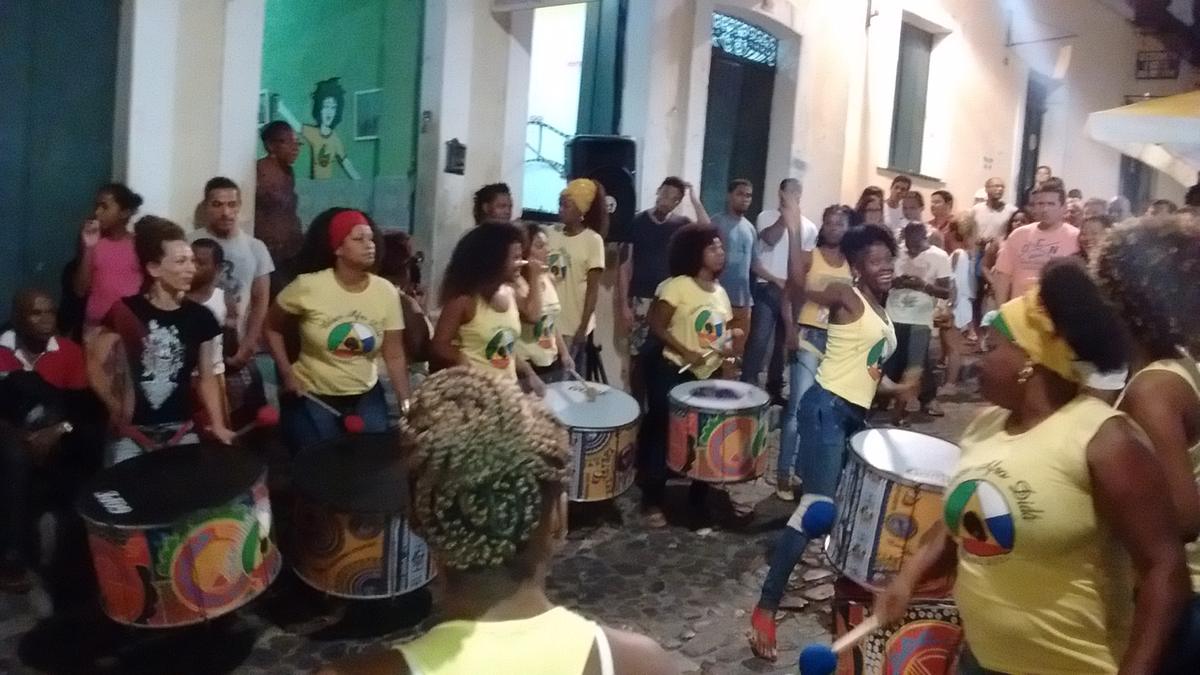
Fly into Deputado Luís Eduardo Magalhães International Airport (SSA) and head straight for the Pelourinho district. This is the core of Afro-Brazilian musical expression. Unlike Rio's samba schools, which are formalised competition machines, the city's blocos afro are community organisations that teach drumming, dance, and Black consciousness. The two you need to track are Ilê Aiyê (founded 1974, the first bloco afro) and Olodum (1985, the one Paul Simon recorded with). Both hold year-round ensaios de verão at their quadras in the Pelourinho and the Liberdade neighbourhood. These are not shows for tourists, though tourists attend. They are open rehearsals where the community practices the samba-reggae beat that defines Bahian Carnaval. The energy is serious.
How the Street Carnaval Works
This city does not have a Sambódromo. There is no sequined competition on a runway. The Carnaval here is a street war of sound where trios elétricos (enormous trucks rigged with speaker towers) crawl through three distinct circuits: the Campo Grande, the Barra-Ondina, and the Pelourinho. You do not buy a seat. You join a bloco (a paying group that surrounds the truck inside a rope corridor) or you stay outside the rope for free, where the crowd is denser, the pickpockets are fiercer, and the sound is worse. The 2026 Carnaval runs 13 to 18 February, organised by the Prefeitura. Book flights and accommodation by October 2025; prices triple in the month before Ash Wednesday.
Year-Round Music and Safety Rules
If you cannot make Carnaval, the weekly rehearsals at the Pelourinho's quadras run all year. Wednesday nights at the Fundação Pierre Verger deliver samba-reggae. Saturday afternoons at Ilê Aiyê's headquarters in Liberdade pack the street. Neither is safe after dark for a solo drunk tourist. Move in small groups, leave valuables at your hotel, and take Uber between districts, not the local bus.
Recife and Olinda: the Frenetic Northeast You Almost Miss
Getting There and Why You Go
From Bahia's capital, fly 1 hour 15 minutes to Recife (REC) or drive 840 km up the BR-101. The drive takes about 10 hours. Do not attempt it unless you speak Portuguese and have a rental car hardened on potholes. Recife and its hilltop neighbour Olinda are skipped by first-time Brazil travellers who think Rio is the only destination. That is a mistake. Recife's Carnaval is older than Rio's, grittier, and musically wilder.
The Two Sounds That Define the Northeast
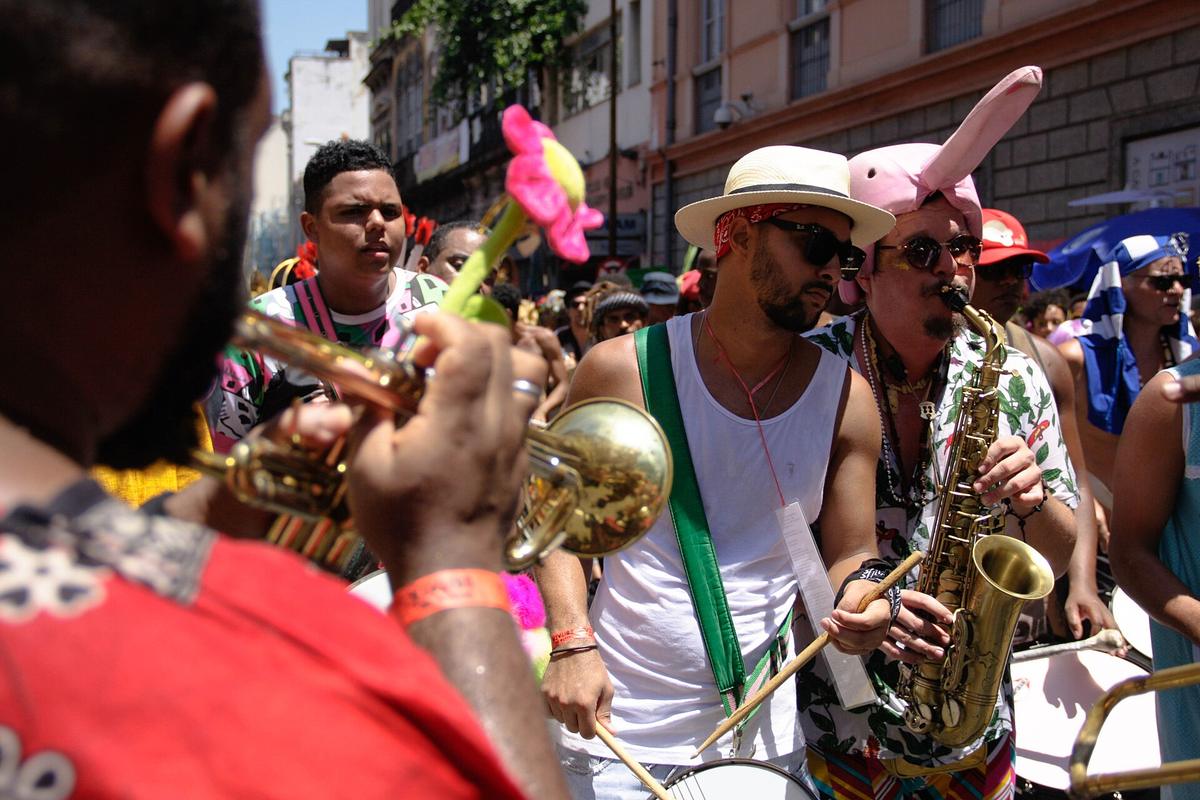
You are here for frevo and maracatu. Frevo is brass-band-driven music so fast it created a separate dance form, the passo, where dancers carry a tiny umbrella and move like cartoon electricity. Maracatu is processional drumming from the 18th century that sounds like a New Orleans second line crossed with a royal court procession, because that is exactly what it is. Maracatu nação is the older, more African form; maracatu rural adds caboclo indigenous elements and wooden dolls. Both are performed in the streets of Olinda during Carnaval, which runs the same dates as the other cities (13 to 18 February 2026). There is no Sambódromo. Olinda's Carnaval is entirely free, entirely chaotic, and entirely on foot up and down steep cobblestone hills. If you have mobility issues, skip Olinda's Carnaval and go to Recife's downtown parade route instead. That one is flat and paved.
Finding the Music Outside Carnaval
Outside Carnaval season, catch maracatu nação at the headquarters of groups like Maracatu Nação Estrela Brilhante on weekends. Forró, the accordion-driven dance music from the interior, lives in Recife's nightclubs all year, particularly at Bar do Zé and Forró do Menino. Go on a Friday or Saturday after 11 p.m. The dance is a partner two-step shuffle called forró pé de serra. Locals learn it as children. Do not be shy. They expect you to fail gracefully.
Rio De Janeiro: the Spectacle You Have Seen on Television
Skip the Bleachers, Find the Quadra
Rio is 2 hours 30 minutes by air from Salvador (GIG or SDU). You already know about the Sambódromo, the purpose-built parade avenue where samba schools compete for the championship in a televised marathon that runs from 9 p.m. to 6 a.m. for two nights straight. The 2026 Carnaval runs 13 to 18 February, organised by LIESA (the Liga Independente das Escolas de Samba). What you may not know is that the Sambódromo experience is expensive and physically punishing. Concrete bleachers. No back support. Thirty-minute queues for overpriced water, and a sound mix that crushes the nuance out of the drums. Do it once if you must. The better experience is attending the open rehearsals at the schools' own quadras in the Zona Norte neighbourhoods from September through February. Most escolas hold rehearsals on Saturday or Sunday nights, often at Cidade do Samba in Gamboa or at their individual quadras. Check the specific school's social media for the week's schedule; it changes. Entry costs R$10 to R$30 (about USD 2 to 6). The music is live, the crowd is local, and the energy is sincere in a way the Sambódromo's broadcast version is not.
Sunday Afternoon Pagode
Rio's pagode, a subgenre of samba with a more intimate party atmosphere, lives in the Zona Sul bars on Sunday afternoons. Head to Pedra do Sal in Saúde, Rio's oldest samba circle. Arrive by 3 p.m. to get a table. Wear closed-toed shoes. The street floods with people and spilled beer.
| City | Carnaval Format | Dates (2026) | Entry Cost | Who Organises |
|---|---|---|---|---|
| Salvador | Trio elétrico street parades, blocos afro, no formal competition | 13 18 February | Free on street; R$50-200+ for bloco cordao | Prefeitura de Salvador (City Hall) |
| Recife/Olinda | Street parades, frevo, maracatu, no formal competition | 13 18 February | Free | Prefeitura de Recife / Olinda |
| Rio de Janeiro | Sambódromo judged samba school competition | 13 18 February | R$80-2,500+ per night depending on sector | LIESA (Liga Independente das Escolas de Samba) |
The Weight Beneath Brazil’s Rhythms
It is tempting to call the music "joyful" and the people "warm" and leave it at a postcard image. Here is the honest caveat. The same West African percussion lineage that makes Bahia's capital, Recife, and Rio the most rhythmically alive cities in the Americas also maps onto the same poverty, police violence, and structural inequality you have seen in New Orleans. The street panhandling in Pelourinho is as aggressive as Bourbon Street. The broken sidewalks in Recife's historic centre will twist your ankle. The heat in February is oppressive enough to cause heatstroke if you do not drink water religiously. The party is real. The spiritual seriousness is real. The grind of inequality is also real, and pretending otherwise is disrespectful to the people who built this music out of that grind. Go. Listen. Dance. But do not romanticise the conditions that made the rhythm necessary. Romanticise the rhythm itself.
Common Questions
I already know New Orleans well. Which Brazilian city feels most like it?
Salvador. The humidity, the open-air percussion, the visible inequality, the spiritual seriousness beneath the party, and a Black majority population that created the music from its own traditions. You will recognise the heat, the chaos, and the exhaustion on the first afternoon.
If I only have 8 days for all three cities, how should I split them?
4 days Salvador (including flights), 2 days Recife/Olinda, 2 days Rio. Fly Salvador-Recife (1h 15m) and Recife-Rio (2h 30m). Skip Rio's Sambódromo; attend a quadra rehearsal instead. You will see more authentic music for a tenth of the price.
What is the one thing that will surprise a New Orleans visitor in Brazil's music scene?
The lack of passive consumption. In New Orleans you can stand on Frenchmen Street and let the music wash over you. In Salvador and Recife, the drumming demands your body move. If you stand still, locals will pull you in. It is participatory, not observational.
Can I see Candomblé ceremonies as a tourist?
Some terreiros (temples) in Salvador accept respectful visitors at public ceremonies. Contact the Ilê Axé Opô Afonjá or Casa Branca complex in advance. Do not show up unannounced. Do not photograph anything unless explicitly told you may. Do not treat it as a performance. It is religion.