Flamenco in Seville Beyond the Tourist Tablaos
Where to experience flamenco in Seville that locals keep to themselves, from Triana peñas to late-night juergas far from the dinner-show circuit.
- Flag
-

- ISO code
- ES
- Population
- 686,741
- Currency
- EUR
- Timezone
- Europe/Madrid
Triana’s After-Midnight Flamenco
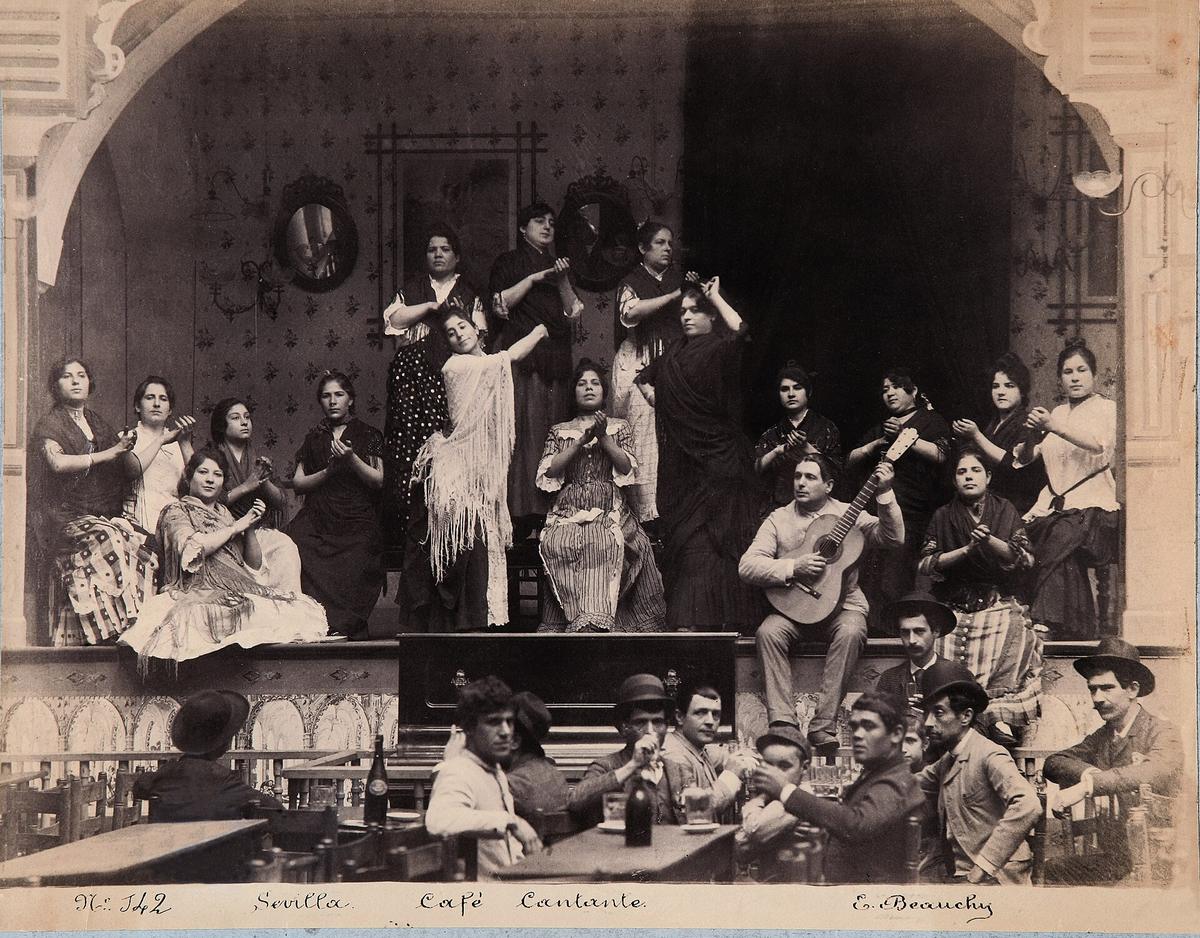
The best performances happen after midnight, cost the price of a glass of wine, and are not advertised. The tourist tablaos with their 7:30 p.m. dinner shows, fixed programmes, and ticket prices of 40 euros or more are a separate industry from the flamenco that Sevillanos actually attend. The city's real flamenco lives in the peñas of Triana, the back rooms of Alameda bars, and the spontaneous juergas that erupt when a guitarist and a singer happen to be in the same room. You will not find these on any concierge desk brochure.
Triana’s late-night flamenco pulls you away from the set menus and the souvenir shawls toward the unpredictable, emotionally demanding flamenco that locals protect. It is not easy to access. It will not be comfortable. But if you sit in silence during a soleá, do not reach for your phone, and accept that some nights nothing happens, you will see something no staged show can replicate.
Understand the Three Venue Types
The Tablao
A tablao is a commercial venue with a fixed programme, a required ticket, and a start time of 22:00 or later. These are not inherently bad. Book Casa de la Memoria: it runs an intimate one hour show in a historic courtyard with roughly 100 seats, and it does not serve dinner. That is the best of the tablao options. But a tablao is still a performance for an audience. The performer controls the evening.
The Peña
A peña is a members club, admitting non members for a small fee or with an introduction. These are neighborhood institutions, concentrated in Triana, where flamenco is practiced and preserved by aficionados. The audience knows the old styles. The singer tests a new letra. The guitarist plays for the room, not for applause. Peñas are the bridge between a tourist show and a private gathering. Many will let you in if you knock and ask respectfully, especially if you arrive alone and do not look like a group tour.
The Juerga
A juerga is a private gathering, invitation only, and not accessible to visitors. These are the purest form of flamenco: friends in someone's living room or a bar after closing, singing and dancing for each other with no audience at all. You cannot book a juerga. You cannot pay for entry. The only way to attend one is to be invited by someone who knows you, and that takes time spent in the same bars and peñas. Do not believe any tour operator who claims to offer a juerga experience. They are selling a staged version.
Where to Go: Triana and Alameda
Peñas in Triana
Triana is the historic origin neighbourhood of flamenco in Seville, the working class district across the river where the old families of cantaores and bailaores lived. The peñas here are the real foundation. Go to Peña Flamenca Torres Macarena or Peña Flamenca La Perla de Triana. Arrive around 22:30 on a Thursday, Friday, or Saturday. Knock. Ask if there is a performance. If there is, pay the entrance fee, often 5 to 10 euros, and buy a drink at the bar. Do not talk during a song. Do not clap unless the locals clap first. The etiquette in a peña is strict: silence during a soleá or a seguirilla, then a roar of approval when it ends. Bulerías, by contrast, are communal and celebratory. Palmas, the hand clapping, has its own rhythm. Watch the hands of the people around you and follow them.
Late Night in Alameda
Alameda de Hércules, the broad boulevard in the Macarena district, is the other key zone. The bars here are not flamenco venues by design, but many host impromptu performances late at night. Head to La Carbonería, a peña style bar in the old Jewish quarter that charges no entry fee. Performances start at 22:00 or later. The space is a converted coal warehouse, rough, dark, with a tiny stage. You stand or sit on wooden benches. The performers are jóvenes, young rising talents, not the stars of the Bienal de Flamenco. That is exactly the point. You want the musician who is still hungry, still experimenting, not the one who has been performing the same 60 minute set for a decade.
Avoid the flamenco shows advertised on Calle Sierpes or near the Cathedral with touts standing outside. If a venue has a menu board outside, you are in the wrong place.
Etiquette is Everything: How to Be a Good Audience
Flamenco is not background music. It is a concentrated emotional event. The singer's face contorts. The guitarist's fingers bleed. The dancer's feet strike the floor with an aggression that sounds like a fight. You do not watch this the way you watch a Broadway musical. You participate through your attention.
Silence During the Cante Jondo
The deep song, the soleá, the seguiriya, demands absolute quiet. A whispered comment, a phone screen lighting up, the clink of a glass, will break the trance and earn you a hard stare from every local in the room. If you need to talk, leave the room. The performers can hear a single cough in a space of 50 people.
Do Not Record
Many peñas and juergas forbid recording entirely. This is not arbitrary. Flamenco, especially the improvised kind, is a living thing that happens once and then dissolves. A phone camera turns a participant into a spectator and degrades the trust between performer and room. If you must capture something, ask the performer before the show begins. The answer will be no. Accept it.
Bulerías Are Different
When the mood shifts to bulerías, the fast, celebratory style from Jerez, the room warms. People clap. Some stand. A friend joins the dancer. A beer gets passed. This is the communal moment. Follow the energy of the room. When a local shouts olé, you can too. When they start clapping a specific rhythm, try to match it. You will fail, but the attempt shows respect.
Dress for the Room
There is no formal dress code at most peñas. Smart casual is common. Women do not need a traje de flamenca unless you are inside a caseta at the Feria de Abril. Men do not need a traje corto. Come clean, sober, and ready to listen. Unlike the quiet reverence of a Seville peña, Berlin’s techno temples demand a different kind of unspoken code at the door.


Calendar Events That Change Everything
Bienal de Flamenco
The Bienal de Flamenco takes place every even numbered year in September, organized by the Ayuntamiento de Sevilla, and runs for four weeks. The world's greatest flamenco artists perform in venues across the city, from the Teatro de la Maestranza to small peñas in Triana. Tickets sell out weeks in advance for the big names. But the fringe events, the free stages in Alameda, the pop up performances in bars, are where you find the future of the form. The next Bienal will be in 2026. Plan your trip around it.
Semana Santa and Feria de Abril
Semana Santa, the week leading up to Easter Sunday, transforms the city with processions, street closures, and a rise in accommodation prices. Flamenco itself recedes during Holy Week; the mood is solemn. But the week after Semana Santa brings the Feria de Abril, a six day festival from Saturday midnight to the following Saturday midnight. The casetas, the private tents on the fairground, are filled with flamenco dancing, improvised, for hours. The public casetas require only a smart dress and a drink purchase. The private casetas require an invitation. Even walking the fairground at midnight, hearing a dozen different bulerías spilling out of different tents, is a form of flamenco immersion no tablao can match. Many businesses close or reduce hours during both Semana Santa and the Feria, so plan your logistics accordingly.
A Practical Warning Before You Go
You may go to a peña three nights in a row and see nothing. The guitarist might be tired. The singer might not show. The energy might be flat. That is the cost of seeking the real thing. A tourist tablao guarantees a crowd, a set list, and a climax every night. A peña guarantees nothing except the possibility of something transcendent. If you need a guaranteed experience, if you are in Seville for only one night, buy a ticket for Casa de la Memoria. If you have three nights, spend two in the peñas of Triana and one in La Carbonería. Accept the risk of failure. That risk is exactly what authentic flamenco is made of.
Common Questions
What is the difference between a tablao and a peña in Seville?
A tablao is a commercial venue with a fixed programme, a required ticket, and a set time. A peña is a members' club focused on flamenco preservation, often admitting non-members for a small fee. Tablaos guarantee a show. Peñas guarantee a community, but not always a performance.
Can I attend a juerga in Seville as a tourist?
No. A juerga is a private, invitation-only gathering. Any tour operator or venue that advertises a juerga is selling a staged version. The only way to attend a real juerga is to be invited by someone you have met through repeated visits to peñas and late-night bars.
What is La Carbonería and is it free?
La Carbonería is a peña-style bar in the old Jewish quarter that charges no entry fee. It hosts informal flamenco performances starting at 22:00 or later. You buy a drink at the bar and watch in a rough, dark space. Performers are often rising young talents.
Do I need a reservation for flamenco in Seville?
For popular tablaos like Casa de la Memoria, yes, book ahead. For peñas in Triana and bars in Alameda, no. You walk in, ask, and pay at the door if there is a performance. Reservations are not part of the culture at these venues.
What is the dress code for flamenco at a peña?
There is no formal dress code at most peñas. Smart-casual is common. Traditional Andalusian dress (traje de flamenca for women, traje corto for men) is worn at the Feria de Abril casetas, not at peñas.
Is it rude to clap at the wrong time during flamenco?
Yes. During deep song forms like soleá or seguiriya, silence is expected. Clapping at the wrong moment breaks the performance. During bulerías, clapping is communal and encouraged. Watch the locals. Follow them. Do not lead.
Why is recording often forbidden at flamenco performances?
Flamenco, especially improvised forms, is a living event that happens once. A phone camera turns a participant into a spectator and breaks the trust between the performer and the room. Many peñas enforce this rule strictly. Ask before the show if you must record.
Read next
-
 Flamenco in Andalusia and Everything North: A Spain Music Geography
Flamenco is Andalusian, not just Spanish. North of Despeñaperros, Spain splinters into Basque rock, Galician gaitas, and Barcelona indie.
Flamenco in Andalusia and Everything North: A Spain Music Geography
Flamenco is Andalusian, not just Spanish. North of Despeñaperros, Spain splinters into Basque rock, Galician gaitas, and Barcelona indie.
-
 How an Artist's Chart Run Should Shape Your US Festival Calendar
Track an artist's chart momentum to predict US festival billing tiers and book tickets before prices and crowds outpace the experience.
How an Artist's Chart Run Should Shape Your US Festival Calendar
Track an artist's chart momentum to predict US festival billing tiers and book tickets before prices and crowds outpace the experience.