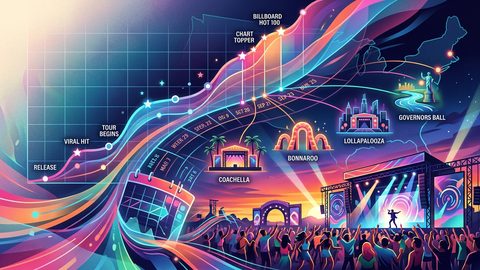
A Music Traveler's Road Map Across the United States
Map your cross-country music pilgrimage by car, linking the Mississippi Delta, Appalachia, and the Rust Belt into one continuous American soundtrack.
- Flag
-
- ISO code
- US
- Population
- 335,000,000
- Currency
- USD
- Timezone
- America/New_York
- Dial code
- +1
Music America Road Trip New Orleans: the Anchor You Cannot Skip
You know you want to drive the American music corridor. You have Memphis on your mind, Nashville, maybe Detroit or Austin. But you keep wondering whether starting in New Orleans is essential or just a detour. Here is the answer: New Orleans is not a stop on this trip. It is the argument for the trip itself. Without the humid Gulf South as your point of departure, you hear the rest of America wrong.
The physical corridor is undeniable. Get on I-10 west from the airport, merge onto I-55 north, and you cover the 395 miles to Memphis in under six hours without traffic. That is the Blues Highway lineage, the same soil that gave Robert Johnson his crossroads, and it runs straight across Louisiana, Mississippi, and Tennessee. But the sonic corridor is what matters. Leave New Orleans after four full days of brass bands on Frenchmen Street, funk at Tipitina's, and bounce in a Mid-City bar, and your ears are calibrated differently. You hear the call and response in every gospel choir in Memphis. You hear the Caribbean syncopation underneath every country guitar lick in Nashville. You hear the urgency of an urban horn section in every Detroit soul record. Start elsewhere and the American sound is a sequence of genres. Start in New Orleans and it is a conversation.
Why New Orleans Demands Four Full Days, Not a Drive Through
The city operates on its own clock. Music sets start at 10 PM for headliners and 5 PM for early sets. The streetcar arrives in threes or not at all. The party is relentless. Budget four full days minimum. Anything less forces a choice between the essential experiences: the morning beignet at Café du Monde, the afternoon cemetery tour, the evening on Frenchmen Street that runs past 2 AM. You cannot compress the sensory load. The smell of sweet decay in the French Quarter, the visible poverty on the edges of the Marigny, the sheer physical exhaustion of navigating broken sidewalks at 95 degrees. This is not a clean city. It is not orderly. It is deeply sensory and hedonistic, and it changes how you listen.
When to Go and When to Skip
February through May is peak season. Mardi Gras 2027 falls on February 9, and the weeks-long Jazz and Heritage Festival runs from the last weekend of April through the first weekend of May. Hotel rates hit their highest, crowds sell out, and the city gridlocks on the Saturday before Mardi Gras for Endymion. October is a secondary peak with pleasant weather and Halloween. Avoid late July through early September. The heat is oppressive, the humidity dangerous, and you are in the core of Atlantic hurricane season running June 1 through November 30. July averages 168 mm of rain, the wettest month. The risk of trip-disrupting storms and street flooding is real.
Getting In and Around
Fly into Louis Armstrong New Orleans International Airport (MSY), 12 miles from the French Quarter. The taxi flat rate for one or two passengers is $36 as of 2026. A ride share runs $30 to $45. The Route 202 Airport Express bus costs $1.50 but takes over an hour and drops you on Elk Place, which is punishing with luggage. Skip it. For city transit, download the Le Pass app before you arrive. Streetcar rides cost $1.25 each, a day pass is $3, and cash on board requires exact change with no transfers issued. The app is buggy. Carry backup cash. The biggest visitor mistake is waiting for a streetcar that never comes, then seeing three arrive at once. The St. Charles line has single track sections and poor headway management. Plan for it. The RTA bus network is more reliable for cross town trips than the streetcar.
Building Your Musical Itinerary: Where Sound Lives
New Orleans has 130 plus live music venues. Do not try to visit all of them. Focus on the districts and the venues that define the city's sound.
The French Quarter and Frenchmen Street
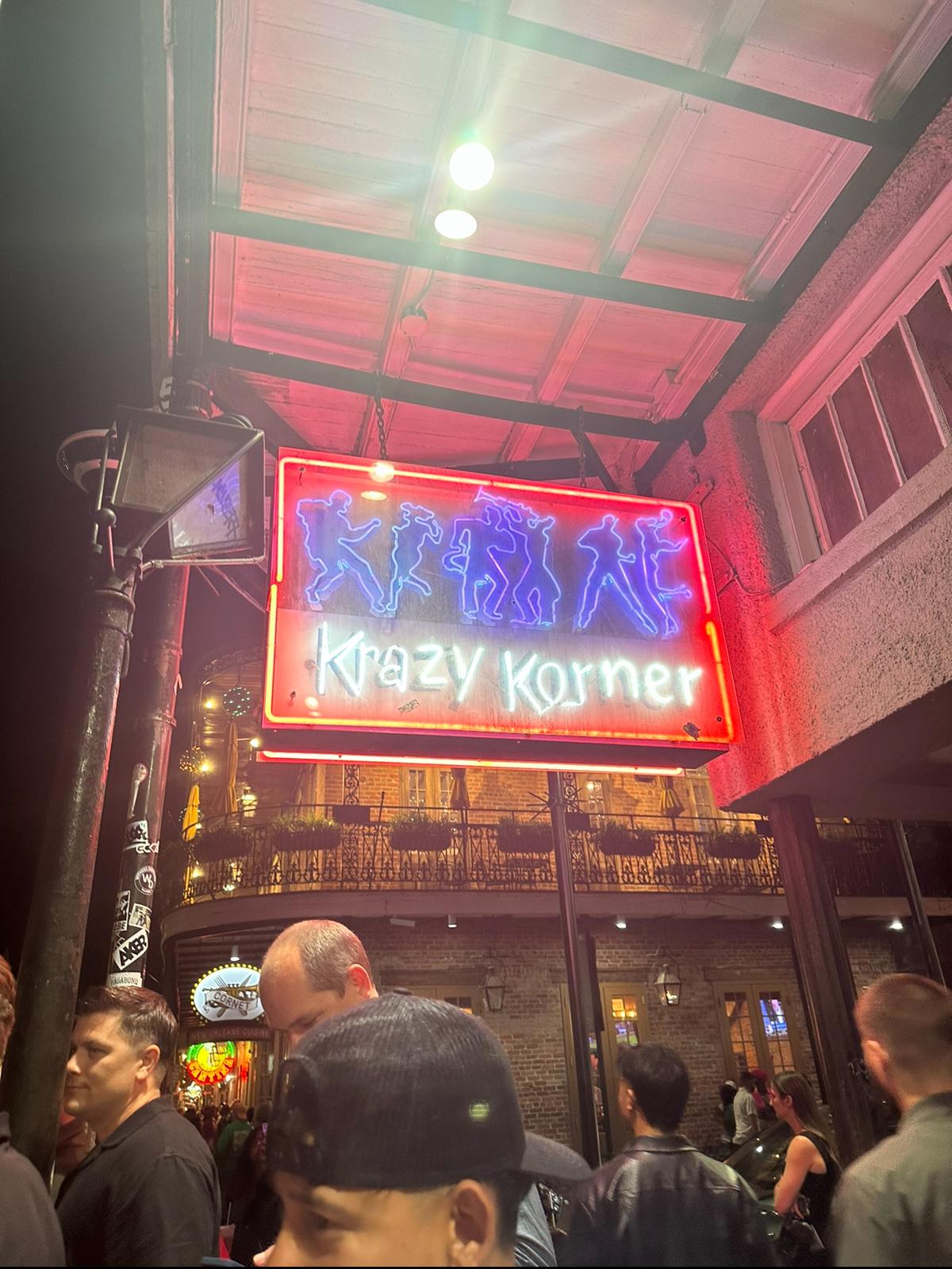
Frenchmen Street in the Marigny is the three block live music strip with no cover charges. Typical cover runs $5 to $20 depending on the act. Arrive by 9 PM to secure a spot. Preservation Hall in the French Quarter offers no frills traditional jazz. Book ahead online or queue before doors open; the line moves slowly and fills by capacity. Snug Harbor Jazz Bistro, the Maple Leaf Bar, and the Spotted Cat are essential. Tipitina's, founded in 1977, is the funk mecca. Music sets start at 10 PM or later. Do not schedule an early morning activity the next day. The city's magic is nocturnal, lubricated, and serendipitous. Trying to do this town on a rigid early morning schedule means missing the point entirely.
Deeper Listening: Tremé and Bywater
The Backstreet Cultural Museum in Tremé, America's oldest Black neighborhood, shows Mardi Gras Indian suits and deep cultural roots. Studio Be in Bywater is massive public art by Brandan Odums, a powerful Black social justice statement. Both require advance planning. The streetcar does not reach them efficiently; use a ride share. Budget travel time and accept that your phone GPS may fail in the dense French Quarter. Download offline maps before you leave the hotel.
Eat Where the Musicians Eat
Music and food are the same pursuit here. Plan entire days around specific meals. Get a debris smothered roast beef po boy from Parkway Bakery, dressed. Order a muffuletta from Central Grocery. Find red beans and rice on a Monday, the traditional washday meal. Boiled crawfish is in season roughly January through June; buy it from a corner seafood market, not a restaurant. A Ramos Gin Fizz from The Sazerac Bar requires patience; the bartender shakes it for several minutes. The Sazerac House museum is free and includes a tasting. Do not skip it. The city's food is not a sidebar to the music. It is the same argument.
Local Friction You Must Account for
This is not a resort. The potholes and broken sidewalks in the French Quarter are severe enough to twist an ankle. After a sudden heavy downpour, intersections can flood and become impassable for hours. The smell of urine, vomit, and stale beer on Bourbon Street is overpowering by late morning. Aggressive street hustlers run the "I bet I know where you got your shoes" scam. Ignore them. Keep walking. Public restrooms are almost nonexistent; you must buy something to use a business's facilities. The visible poverty and inequality are emotionally weighty. This is not Disney. The city monetizes fun aggressively. The lodging tax rate is 16.2 percent as of 2026, layered on top of a 9.45 percent sales tax. Every drink, every meal, every ticket carries the cost of a city that knows what it is worth. Pay it without complaint. You are not here for a bargain. You are here to hear the root of American music.
Day Trips That Add Context
If you have a seventh day, drive 70 minutes to Whitney Plantation, which focuses on the enslaved experience. It is deeply moving and directly relevant to the music you hear. Oak Alley Plantation is 75 minutes away for its quarter mile alley of live oaks, but Whitney is the more honest visit. Jean Lafitte National Park's Barataria Preserve is 35 minutes out and offers swamp boardwalks that give context to the landscape that shaped the music. These are not diversions. They are chapters of the same story.
Common Questions
Can I do this music road trip in less than four days in New Orleans?
No. Four full days is the minimum. Anything less forces you to choose between essential food, music, and neighborhood exploration, leaving you with only a superficial Bourbon Street hangover. You will miss the deeper listening on Frenchmen Street and the daytime architecture that explains the sound.
Should I visit during Jazz Fest or Mardi Gras?
Only if you plan seven days minimum and book lodging six months ahead. Mardi Gras 2027 is February 9. Jazz Fest runs the last weekend of April through the first weekend of May. Hotel rates peak, crowds are extreme, and the city gridlocks. The experience is unparalleled but punishing for a first visit.
Is New Orleans safe for a solo traveler focused on music venues?
Yes, with standard urban caution. Stick to well lit streets in the French Quarter, Marigny, and Warehouse District after dark. Do not walk through the Tremé or Bywater late at night. Use ride shares between districts. The city has 24 hour bars, and the crowd on Frenchmen Street is music focused and watchful.
Do I need a car in New Orleans?
No. Parking is expensive and difficult, and the historic infrastructure punishes drivers. Use the streetcar, the RTA bus network, ride shares, and walking. The Le Pass app is essential but buggy; carry backup cash. The only time you need a vehicle is for a day trip to the plantations or the swamp.
What is the smoking situation in music venues?
Louisiana's Smoke Free Air Act prohibits smoking inside bars, clubs, and music venues as of 2015. Smoking is permitted in designated areas of Harrah's Casino. You will not encounter secondhand smoke inside venues. Tipping the musician at the tip jar is customary. Budget $1 to $5 per set.