Lisbon's Music Runs Deeper Than the Alfama Tourist Circuit
Beyond fado, Lisbon pulses with kuduro, funaná, and tuga rap—the sound of Portugal's African diaspora reshaping the capital.
- Flag
-

- ISO code
- PT
- Population
- 10,281,762
- Currency
- EUR
- Dial code
- +351
B.Leza and the Lisbon African Diaspora Sound
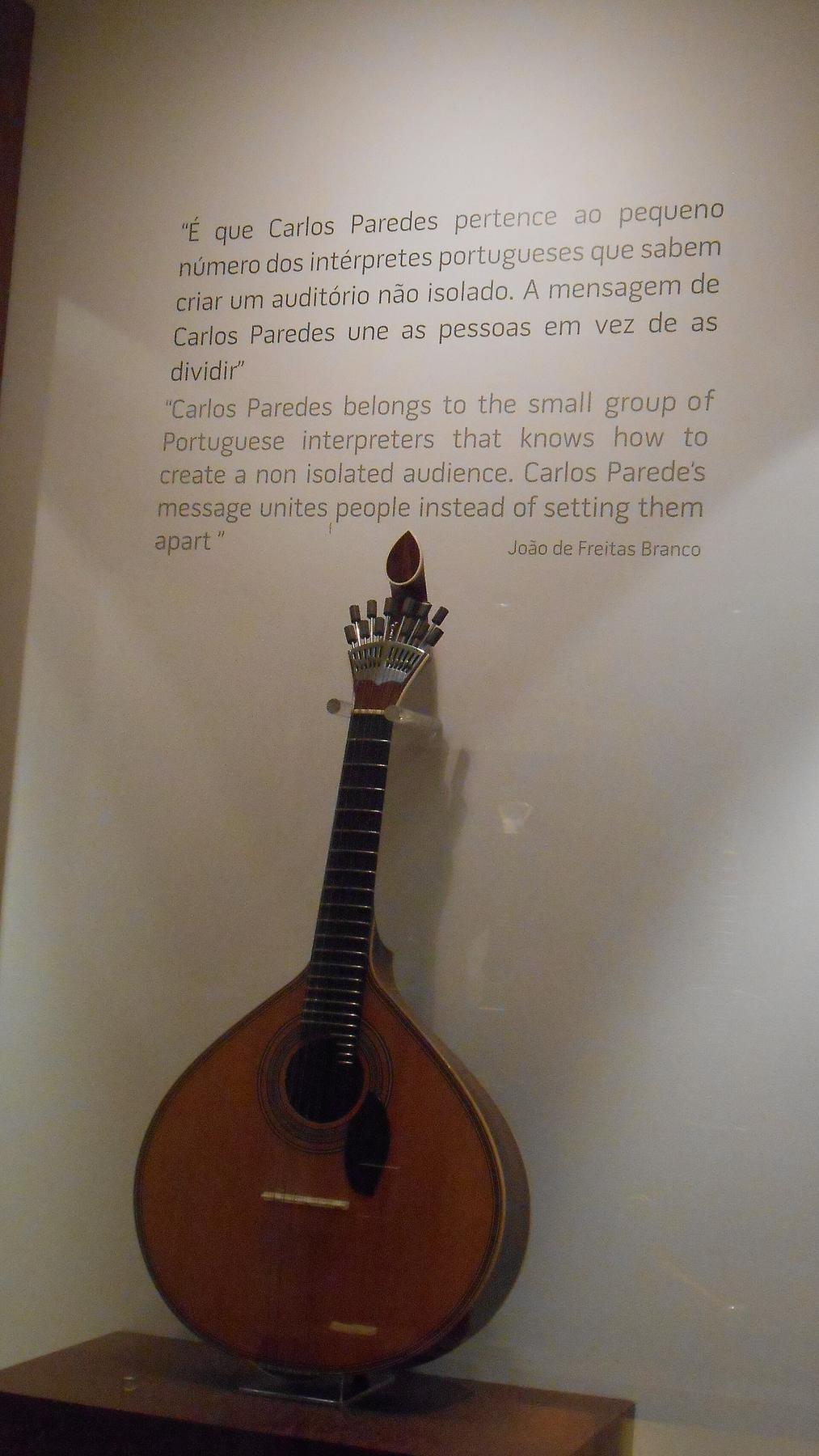
A man in black presses a hand to his chest on a stage no bigger than a closet. The guitarrista's fingers find the same minor mode that a New Orleans brass band pulls from its trombones on the walk back from the cemetery. If you have stood under an oak in City Park feeling the weight of a city that mourns in public, you already know how to listen to fado.
The connection is structural, not sentimental. Both cultures turned grief into a public art form because private grief was too heavy to carry alone. New Orleans does it with a second line parade, a slow dirge that breaks into jazz. Lisbon does it with the fadista's voice, a sound that stops conversation. A traveler from New Orleans will recognize that shared pulse in Portugal's music, then go deeper into the scenes that change the story entirely—the African-Portuguese clubs where kizomba, funaná, and batuku reshape the city's soundtrack.
The Fado Geography Lisbon Hides from Tourists
Two Schools, Two Cities
Lisbon has two schools of fado and you need both to understand the difference between a show and a ritual. The Lisbon school, Fado de Lisboa, is what you find in a Casa de Fado, a restaurant setting where the performance comes with dinner and wine. The audience sits in silence. No singing along. No applause mid song. The Coimbra school, Fado de Coimbra, happens in academic serenades and student run gatherings. Performers wear dark academic attire with a black cape. The audience signals approval with a discreet cough. One school serves tourists. The other serves the city.
Alfama Versus Mouraria
Alfama is the postcard district. Narrow alleys, laundry lines, casas de fado charging 50 euros for a set menu. The musicians here are professionals. The sound is polished. You will not hear a mistake. Mouraria, the older Moorish quarter, is where you find fado vadio, the wild fado that Lisbon's real musicians play for each other. No cover. No fixed set list. A singer might stop mid verse and start again. The fado vadio sessions happen late, after the dinner crowds leave. Go to Tasca do Chico in Bairro Alto or Adega Mesquita in Mouraria. Arrive at 22:00. Order a glass of vinho verde. Say nothing while the singer is on.
If you only have one night and want the authentic version, skip the Alfama casas de fado entirely. Book a table at A Baiuca in Mouraria. It is a tiny room above a grocery. The owner sings. The wall has a photograph of Amália Rodrigues. No menu. No choice of dishes. You eat what they cook. You listen the same way you listen to a brass band at a Jazz Funeral: as witness, not as customer.
From Fado to Batida the African Portuguese Underground
The Genres You Are Missing
Portugal's music does not end with fado. The country's colonial history left a deeper mark than the guidebooks admit. Lisbon today is a capital of African Portuguese music, and most travelers miss it. The sounds you need to know: funaná and coladeira from Cape Verde, marrabenta from Mozambique, semba from Angola. And then there is batida, the electronic fusion born in Lisbon's suburbs, the sound that connects the African Portuguese underground to the rest of Europe.
From Slow Dance to Distorted Kicks
The Angolan slow dance style arrived in Lisbon in the 1980s. It became the music of the immigrant community, then crossed over. Tonight you can find clubs playing it in the Docks area of Alcântara, where the bass vibrates through the concrete floor and couples move so close you cannot see space between them. Batida came later, built by producers in the peripheral housing projects of Amadora and Odivelas. It is faster, more abrasive, built on distorted samples and kick drums that hit like a heartbeat. The clubs that play batida are in Bairro Alto and Cais do Sodré. Find a night called Príncipe Discos or look for the crew from Enchufada. They do not advertise on tourist sites. You find them by asking the Angolan barber on Rua do Benformoso.
The June Street Parties
If you time your trip for June, you get the Festival of St Anthony in Lisbon on the night of 12 June and the week around 13 June, organized by the Câmara Municipal de Lisboa. The street parties in Alfama and Mouraria play fado and the Angolan sound on the same block. Then head to Porto for the Festival of St John on the night of 23 June and the week around 24 June, organized by the Câmara Municipal do Porto. Sintra and Évora get the Festival of St Peter on the night of 28 June. These festivals are not tourist product. They are neighbourhood parties where the music follows the crowd, not a schedule.
How to Build a Music Trip That Skips the Postcard
Lisbon In Four Days
Day one: fado vadio in Mouraria from 22:00. Day two: afternoon at the Museu do Fado in Alfama, then evening at the Alcântara docks for the slow dance clubs. Day three: train to Porto on the Alfa Pendular, journey time 2 hours 45 minutes to 3 hours, operated by Comboios de Portugal (CP). Day four: Porto's Festival of St John in June, or a student fado performance at a university venue if you travel outside festival season.
The Summer Festival Circuit
July brings NOS Alive in Algés, Lisbon, the second week of July, organized by Everything is New. The same month Super Bock Super Rock plays in Meco at Sesimbra, third week of July, organized by Música no Coração. August opens with Festival do Sudoeste in Zambujeira do Mar, first week of August, organized by Música no Coração. Then Vodafone Paredes de Coura in the third week of August, organized by Ritmos. The biennial Boom Festival in Idanha a Nova returns in late July 2026, organized by Good Mood Productions. These are not background music festivals. They are the reason the country's train and bus system overloads. Book accommodation six months ahead for any of them.
What This Music Requires From You
Fado demands silence. Batida demands stamina. The Angolan dance demands that you let a stranger hold you close enough to feel their ribs. New Orleans taught you the first rule: the music is not a backdrop. It is the reason everyone is there. Portugal's music asks the same thing, but it asks louder and later and in a language you might not speak. Show up. Shut up. Listen.
| Experience | Lisbon District | Best Time | What To Expect |
|---|---|---|---|
| Fado Vadio | Mouraria, Bairro Alto | 22:00 - 01:00 | No set list, no cover, silence required |
| Angolan Dance Club | Alcântara (Docks) | 23:00 - 04:00 | Couples dancing, bass heavy, mostly local crowd |
| Batida Night | Bairro Alto, Cais do Sodré | 00:00 - 05:00 | Electronic fusion, suburban producers, late entry |
| Street Festival (June) | Alfama, Mouraria (Lisbon) | Night of 12 June | Fado and Angolan dance on same block, free, crowded |
| Festival (July/August) | Algés, Meco, Zambujeira | See above dates | Full line up, book accommodation months ahead |
Who This Music Trip Fits and Who Should Walk Away
This trip suits travelers who understand that New Orleans and Lisbon share a refusal to hide grief behind polite silence. It suits music obsessives who will stay out until 05:00 for a single perfect set. It suits people who can handle broken sidewalks, late night transit, and the smell of a city that parties without apology.
It does not suit anyone who needs quiet and order to relax. It does not suit travelers on a tight budget who cannot absorb the cost of late night ride shares and cover charges. It does not suit families with young children expecting a sanitized version of Portuguese culture. The fado clubs do not want your five year old. The dance clubs do not serve juice. Portugal's music gives you everything, but it asks for your full attention in return.
Regions & cities in Portugal
Common Questions
Can I see fado and the Angolan dance on the same night?
Yes, but it requires a late start. Catch fado vadio in Mouraria from 22:00. Leave by midnight. Take a ride share to Alcântara. The dance clubs fill after 01:00. You will be out until 04:00.
Is the fado in Alfama tourist quality?
Most of it is a product for visitors. The musicians are skilled but the experience is scripted. For the real thing go to Mouraria or Bairro Alto for fado vadio. It is raw, unscheduled, and costs the price of a single drink.
Do I need to speak Portuguese for any of this?
Not to listen. Fado and batida communicate without language. But know this: a fadista in Mouraria will appreciate your silence more than your attempt at a compliment. The audience etiquette is absolute.
What if I cannot stay out late?
Skip Lisbon's night music. The fado vadio starts at 22:00. The clubs peak after 01:00. Daytime fado performances exist but they are designed for tourists on cruise ships. This trip rewards night owls.


.jpg)