Spain's Musical Fault Line Runs South of Madrid
Flamenco is Andalusian, not just Spanish. North of Despeñaperros, Spain splinters into Basque rock, Galician gaitas, and Barcelona indie.
- Flag
-
- ISO code
- ES
- Population
- 46,723,749
- Currency
- EUR
- Dial code
- +34
Spain Music Travel from Flamenco Andalusia to the Northern Scenes
Book a flight to Jerez, not Madrid. If you know the feeling of standing six feet from a sweating trumpeter in Preservation Hall, you already understand that the real thing is unamplified, unpaid, and unapologetically raw. That exact energy lives in the flamenco heartland of Andalusia, in the peñas and juergas of Jerez de la Frontera. Not the ticketed tablaos of the tourist strip. The question is how to find it, and who to follow into the night.
Start with the Juerga, Skip the Show
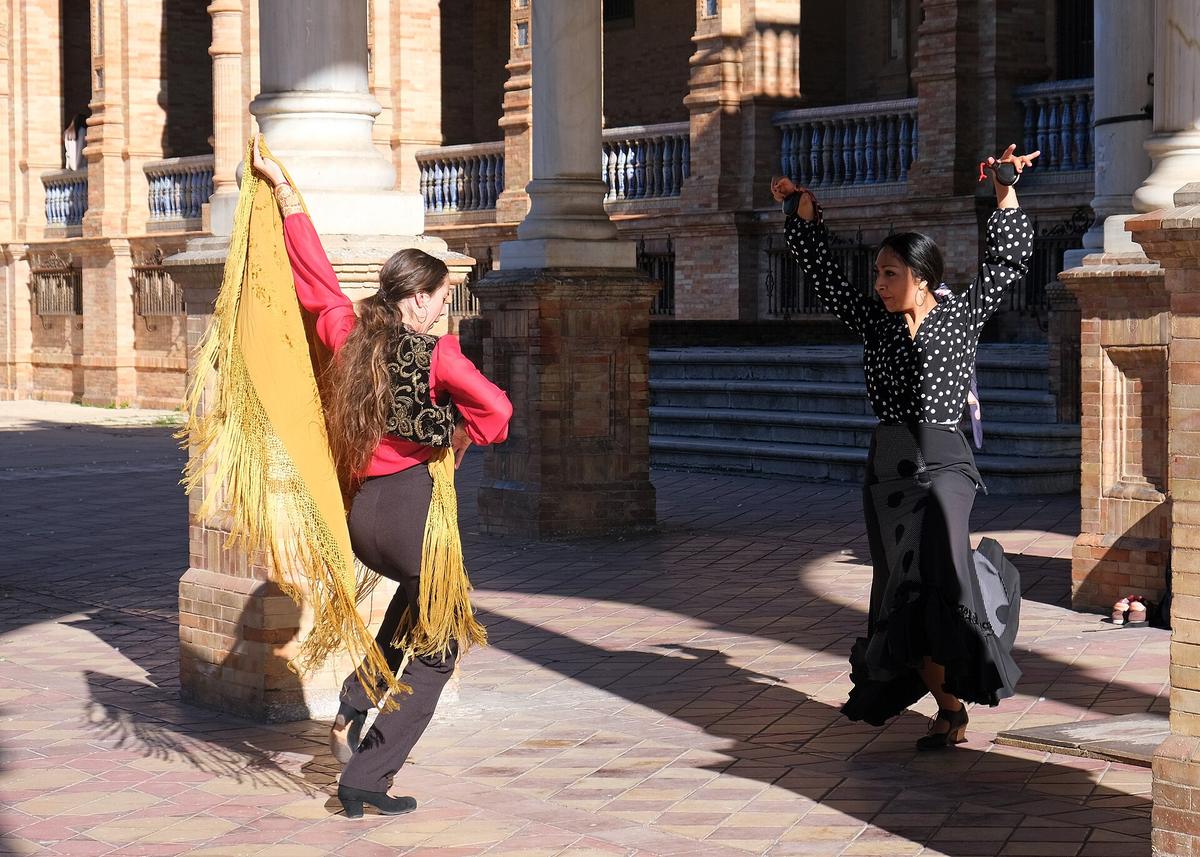
A traveler who values the unpolished intimacy of New Orleans live performance will be disappointed by a commercial tablao. These are the flamenco equivalent of a Bourbon Street cover band: professional, predictable, priced for the cruise ship crowd. The real thing is a juerga. A private party where flamenco erupts spontaneously. No stage. No ticket. No setlist. A guitarist starts a rhythm. A friend begins to clap. Someone older and harder than you stands up and sings a soleá that sounds like it has been waiting thirty years to leave her chest. You are not an audience. You are in the room.
How To Find A Juerga In Jerez
Jerez de la Frontera is the city for this. It is the sherry capital and the bulería capital, and the two overlap. Do not rely on a hotel concierge or a Google search. Juergas are private by definition. The method: go to a peña. A member-run private club with no fixed stage. There are dozens in this city. Most are unmarked. You need an introduction. The cleanest route is to attend the Festival de Jerez, held annually from late February to early March and organised by the Fundación Teatro Villamarta. The programme includes both staged performances and open peña events. Talk to local musicians there. Tell them you skipped the Zambra in the Albaicín to come here. That distinction matters.
If your timing does not align with the gathering, head to the Peña Flamenca la Bulería on Calle Bodegas. It is one of the few peñas that welcomes serious visitors with a knock and a request. Arrive at 22:00 or later, Spain's standard live music start time. Order a fino from the bar. Stand near the back. Do not film. They will invite you back.
Seville For Structure, Granada For The Cave
Seville is the flamenco capital with the most infrastructure. The Bienal de Flamenco happens in even years, from September to early October, organised by the City Council. It is the world's largest flamenco gathering. Book accommodation six months ahead. The city's best peñas include the Peña Flamenca Torres Macarena. The worst mistake is booking a dinner-plus-show at a tablao on the Calle Sierpes for ninety euros. That is the Vegas revue. Skip it.
In Granada, Sacromonte is the historic flamenco cave district. The caves are real. The shows are mostly tourist productions now, but the raw geography of the place matters. Go for the setting, not the performance. Instead of a paid cave show, hike up the Sacromonte path at dusk and listen from outside. You will hear a real juerga or you will hear silence. Both are better than a staged one.
Northern Counterparts: Basque Bertsolaritza and Galician Gaita
The same instinct that pulls you away from a ticketed tablao and toward a juerga will push you north into Basque Country. The Basque traditional music scene is not flamenco. It is older, colder, and built around the txistu (a three-hole flute), the alboka (a double-reed horn), and the txalaparta (a wooden percussion instrument played by two people). The vocal form is bertsolaritza, improvised sung poetry. It is not sung to a stage. It is sung in a cider house while people stand and eat salt cod and pour sidra from a height. You do not buy a ticket. You buy a plate.
Bertsolaritza In A Cider House
The best way to experience bertsolaritza is at a sagardotegi, a traditional Basque cider house in the hills outside San Sebastián. Petritegi in Astigarraga is reliable. The season runs January through April. You pay a fixed price for an unlimited cider tasting and a meal of cod omelette, grilled chuleta, and Idiazabal cheese. The bertsolari, the improviser, arrives after the meal. Do not ask when the show starts. It starts when he decides. He will stand on a wooden crate and sing a verse in Basque about something that happened at your table. You will not understand the words. You will understand the precision and the risk. That is the same feeling as watching a trumpeter close his eyes and hold a note past the point of sense.
Gaita Galega In Santiago De Compostela
In Galicia, the instrument is the gaita galega, the Galician bagpipes. The vocal form is the alalá, an unaccompanied, melismatic singing that sounds like the Atlantic fog. The typical ensemble is the cuarteto tradicional: gaita, tamboril, bombo, and pandeireta. The proper place to hear it is in a stone tavern in Santiago de Compostela, not at the cathedral square during tourist hours. The Festival de la Gaita in Ortigueira, held in July, is the largest gathering of bagpipers in the world. It is free and chaotic and ends at dawn. That is your northern juerga.
The Practical Map: When and Where to Point Your Feet
Plan your trip around the gatherings that anchor the real scenes, not the weather.
- Late February to early March: Festival de Jerez. Annual. Organised by Fundación Teatro Villamarta. This is your entry to the peña network.
- Even years, September to early October: Bienal de Flamenco de Sevilla. Organised by Seville City Council. Book accommodation by March for September.
- First two weeks of August: Cante de las Minas in La Unión, Murcia. Annual. Organised by Fundación Cante de las Minas. This is the flamenco deep-cut event, held in a mining town. August heat is brutal but the singing is the most serious in Spain.
- Late August: Fiesta de la Bulería in Jerez. Annual. Organised by Jerez City Council. A free street party dedicated to the bulería rhythm. Arrive by 17:00 to claim space on the pavement.
There is a major caveat on August: Spain's major cities, including Madrid, Barcelona, and Seville, empty out in the middle of the month for the coastal exodus. Many tablaos and clubs close for the entire month. Do not go to Barcelona in August expecting an underground experimental music scene. Go to La Unión for Cante de las Minas instead. The coastal towns fill, but the flamenco heartland of Jerez stays active precisely because of the Fiesta de la Bulería.
Barcelona: The Experimental Exception
Barcelona has an experimental live music scene that rewards the same instincts. The venue is Sidecar Factory Club in the Gothic Quarter, or the Apolo for bigger acts. The genre is not flamenco. It is noise, jazz, industrial, and improvisation that draws from the same source: a refusal to perform on a schedule for a seated audience. The best time is outside August, when the city is half-closed and the real musicians are playing private sessions in Poblenou warehouses. Find them through the local promoter Màgia Roja on Instagram before you arrive.
Basque Country In The Winter
The Basque cider house season runs January through April. That is your window for bertsolaritza. San Sebastián in February is cold and wet. The pintxos bars are crowded. The music is indoors. This is not a summer trip. It is a winter trip for people who understand that the real performance happens when the weather keeps the casual tourists away.
| Festival | Location | Timing | Frequency | Organiser |
|---|---|---|---|---|
| Bienal de Flamenco de Sevilla | Seville | September to early October | Biennial (even years) | Seville City Council |
| Festival de Jerez | Jerez de la Frontera | Late February to early March | Annual | Fundación Teatro Villamarta |
| Cante de las Minas | La Unión, Murcia | First two weeks of August | Annual | Fundación Cante de las Minas |
| Fiesta de la Bulería | Jerez de la Frontera | Late August | Annual | Jerez City Council |
Your Next Move: Book Jerez in February
Do not book a hotel in Seville for a weekend in May and expect to stumble into a juerga. The calendar decides. Open the Fundación Teatro Villamarta website and check the dates for the Festival de Jerez. They release the programme in November for the following February. Book a room in Jerez as soon as the dates are confirmed. Budget for a decent pension near the Alcázar. Bring comfortable shoes for the cobblestones, no camera, and a willingness to stand in a room where no one speaks English. That is the place you came to find.
Common Questions
What is the difference between a tablao, a peña, and a juerga?
A tablao is a commercial venue with a fixed stage and set showtimes. A peña is a private member-run club with informal performances and no fixed stage. A juerga is a private, spontaneous party where there is no divide between performer and audience. For a New Orleans music traveler, the peña is like a second-line practice and the juerga is like a late-night Frenchmen Street set that happens because it has to.
Can I find a juerga as a solo traveler?
Yes, but not by searching online. Go to a peña in Jerez or Seville. Attend the Festival de Jerez (late February to early March) or the Bienal de Flamenco de Sevilla (even years, September to early October). Talk to local musicians. Tell them you have no interest in a staged show. A juerga is an invitation, not a booking. Be patient.
When should I avoid traveling to Spain for live music?
Avoid mid-August in major cities. Madrid, Barcelona, and Seville empty as residents head to the coast. Many tablaos and clubs close for the entire month. The exception is the Cante de las Minas festival in La Unión (first two weeks of August) and the Fiesta de la Bulería in Jerez (late August). Go to those instead.
Is flamenco the only authentic Spanish live music worth seeking out?
No. Basque bertsolaritza (improvised sung poetry in cider houses, January to April) and Galician gaita (bagpipes with alalá singing) are equally raw and unpolished. Barcelona's experimental scene (Sidecar Factory Club, Apolo) draws from the same impulse to avoid staged performance. The thread is not flamenco. The thread is finding music that refuses to be packaged.
How late do live music venues start in Spain?
22:00 or later. This applies to flamenco shows in Andalusia and live music venues across the country. The late start reflects Spanish evening rhythms. Plan dinner for 21:00, arrive at the venue by 21:45, and expect the first set to begin around 22:00. A 20:00 showtime is a sign of a tourist-oriented venue.