Brass on the Street and Where the Music Is on a Tuesday
How to build a New Orleans trip around live music, from Tuesday brass band residencies to the 2 a.m. Frenchmen Street decision you will regret skipping.
- Flag
-

- ISO code
- US
- Population
- 362,701
- Currency
- USD
- Timezone
- America/Chicago
Brass on the Street and Where the Music is on a Tuesday
Tuesday Night Is the Main Event
It is 1:45 a.m. on a Tuesday. Fifty people are packed into the pressed-tin room at the Maple Leaf Bar on Oak Street, sweating through their shirts while the Rebirth Brass Band tears into a second-line rhythm that feels older than the building itself. This is not a weekend anomaly. This is Tuesday in Uptown, and it is the single most important booking in your New Orleans music itinerary.
The mistake most visitors make is treating music as an after-dinner activity, something to fill the gap between a 7 p.m. reservation and bed. New Orleans does not work that way. The city's live-music engine runs from 10 p.m. until last call, and the venues that matter most are dark on the nights you expect them to be open. A Friday night on Frenchmen Street is a tourist carnival, loud and crowded and worth doing exactly once. A Tuesday night at the Maple Leaf Bar, 8316 Oak Street, with Rebirth playing their weekly residency, is a religious experience that no other city can replicate. Build your itinerary around that Tuesday, not around Saturday.
Why Tuesday Beats Friday
Rebirth Brass Band has held the Tuesday night slot at Maple Leaf for decades. The room is small and intimate. There is no cover charge at the door on some nights, though a small fee is standard for the band. The show starts late, after 11 p.m., and runs until the band is done, which can mean 2 a.m. or later. You pay in cash at the door, you drink Abita from a plastic cup, and you stand. There is no seating strategy, no VIP section, no air conditioning, no escape from the humidity of the crowd. That is the point. This is the sound that connects the brass band lineage of the Dirty Dozen (formed 1977) and Rebirth (formed 1983) directly to the contemporary funk and hip-hop that defines the city's current sound. If you leave New Orleans without hearing brass in a room this small, you did not hear New Orleans.
Frenchmen Street, three blocks of clubs between d.b.a. at 618 Frenchmen and the Spotted Cat Music Club at 623 Frenchmen, has no cover charges and a walkable density that makes it the obvious tourist choice. Spotted Cat offers traditional jazz and swing in a tiny room. d.b.a. has a better sound system and books blues, jazz, and singer-songwriters. Both are fine. Both are crowded on weekends with people who read the same guidebook. The difference is that on a Tuesday, Frenchmen Street is quiet, with fewer acts and earlier last calls. Maple Leaf on Tuesday is the opposite: the locals show up, the band shows up, and the room shows you why this city survives its heat, its poverty, and its broken sidewalks. Skip the Friday crush. Go on a Tuesday.
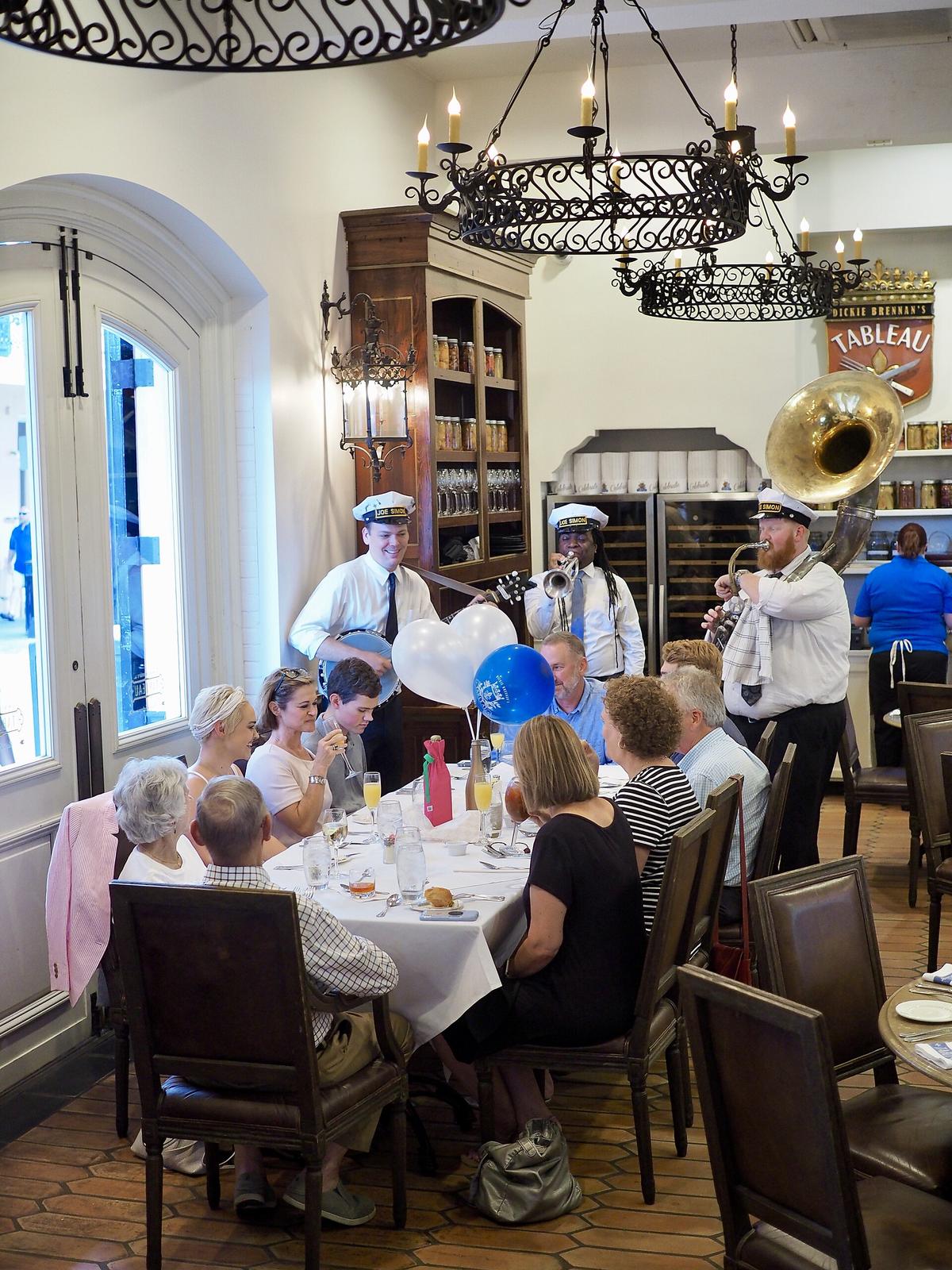

The Geography of Sound: St Claude, Frenchmen, and Uptown
New Orleans does not have one music scene. It has three, and they do not overlap. The St. Claude corridor runs through the Bywater and Marigny neighbourhoods, an artsy, gentrifying strip of shotgun houses and warehouse spaces where the music leans experimental and indie. Frenchmen Street in Marigny is the tourist corridor, a three-block stretch where every door opens onto live jazz, brass, and cover bands. Uptown, anchored by Maple Leaf and Tipitina's at 501 Napoleon Avenue, is where the funk and brass institutions live. Each requires a different strategy, a different time of night, and a different way to get there.
St. Claude Avenue: The Unpolished Edge
This corridor runs through Bywater and into the Lower Ninth Ward. The venues here are not designed for tourists. They are bars with stages, art galleries with sound systems, and warehouses where the crowd is half musicians and half locals who followed them there. The music is less predictable than Uptown or Frenchmen, which is the appeal. You go to St. Claude to find something you cannot find on a schedule. The streets are darker, the sidewalks worse, and the walk between venues longer. If you are a music obsessive chasing bounce or experimental brass, this is your territory. If you want a guaranteed show at a known time with a drink in your hand, stay on Frenchmen or go Uptown.
Frenchmen Street: The Tourist Strip You Still Need
Frenchmen Street is not a trap. It is a three-block stretch of clubs that book original live music, not amplified cover bands or DJs, which is what Bourbon Street offers. Bourbon Street is drink-focused venues with karaoke and top-40 covers. Frenchmen Street is jazz, brass, and local acts. d.b.a. has the best sound system on the strip. Spotted Cat has the best atmosphere, a tiny room with no cover and swing bands that draw a crowd that dances outside when the room is full. The locals avoid Bourbon Street for music. They go to Frenchmen, St. Claude, and Uptown. But on a Saturday night, Frenchmen is shoulder-to-shoulder with visitors. Go on a Sunday or Monday instead, when the crowds thin and the music is still strong. Walk home to the Marigny or Bywater neighbourhoods, both of which are safe enough for the short stroll if you stay on well-lit streets.
Uptown: The Institutions
Tipitina's is a standing-room club that holds about 800 people and books funk, brass bands, and local legends. It has been a long-running institution since the 1970s, the kind of room where The Meters and Professor Longhair made the New Orleans funk lineage that defines the city's 1960s and 1970s sound. Shows start at 10 p.m. or later. There is no seating strategy; you stand with everyone else. The Uptown neighbourhood around Tipitina's and Maple Leaf is walkable within several blocks of Oak Street and Napoleon Avenue, which is where you stay if you plan to close the bar. The streetcar on St. Charles Avenue runs 24 hours but with long gaps, especially late at night. Do not wait for a ride that does not come. Budget for a ride-share, and budget for surge pricing after 2 a.m. when the sets end. The $30 to $45 you paid from the airport is nothing compared to the $20 to $30 you will pay for a 10-minute ride home at 3 a.m. on a Tuesday. That is the cost of doing this right.
The Late-Night Reality: Transport, Surge Pricing, and Survival
The biggest threat to your New Orleans music itinerary is not a bad band or a closed club. It is the moment the set ends at 2:30 a.m., you step onto a broken sidewalk in Uptown, and you realize the streetcar is not coming for another 45 minutes, your phone has 12 percent battery, and the ride-share app is showing triple the normal fare. Plan for that moment before it arrives.
The St. Charles streetcar line runs 24 hours, but the single-track sections cause the phenomenon where you wait 40 minutes and then three cars arrive at once. The RTA bus network is more practical for cross-town trips but stops running earlier. Download the Le Pass app for digital tickets at $1.25 per ride or $3 for a day pass, but have cash as a backup because the app is buggy. The bigger problem is surge pricing. After any late set anywhere in the city, ride-share prices spike. A ride from Maple Leaf to the French Quarter, normally $12, can hit $35 at 2:30 a.m. The solution is to stay in the neighbourhood of your venue. If you are at Tipitina's or Maple Leaf, book a room in Uptown within walking distance. If you are on Frenchmen Street, stay in the Marigny or Bywater. If you are at Preservation Hall, 726 St Peter Street in the French Quarter, stay in the Quarter. Do not try to cross town late at night on a budget. Pay for the convenience or walk to the nearest hotel and catch a ride from there, where the pickup is faster and the driver is more likely to accept.
The physical reality of this city is punishing. The sidewalks in the French Quarter are broken enough to twist an ankle. The smell of urine and stale beer on Bourbon Street is overpowering by late morning. The heat and humidity in the summer months, late July through early September, are oppressive and dangerous. Aggressive panhandling is common just steps off Bourbon Street, including the "I bet I know where you got your shoes" scam. Public restrooms are almost non-existent; you must buy something to use a business's facilities. The emotional weight of visible poverty and inequality in the heat is real, and it does not stop because you are on vacation. This is not a sanitized music city. It is a humid, hedonistic, deeply sensory place that feels more Caribbean than American. The music is the reward for enduring the friction.
Sunday Afternoons and the Second Line
The Sunday Second Line
Your Tuesday night at Maple Leaf is the anchor. But the other essential musical experience in New Orleans happens in daylight, on a Sunday afternoon, and it costs nothing to watch. The second line is a Sunday parade hosted by Social Aid and Pleasure Clubs, rolling through a neighbourhood with a brass band at its center and hundreds of people dancing behind it. The routes are posted by WWOZ, 90.7 FM, and on their website, on Thursday or Friday before the Sunday parade. The season runs most Sundays from late August to early June, except major holidays. The parade starts around noon and lasts three to four hours.
The rule: do not join the main parade body between the band and the club members unless invited. Dance and follow behind or alongside the parade. That is expected. That is welcome. Walking with the second line is the most direct connection to the Congo Square legacy, where enslaved Africans and free people of color gathered on Sundays in the 18th century into the 1840s in what is now Armstrong Park, 701 North Rampart Street, to preserve West African rhythms and call-and-response traditions. That Sunday gathering is the direct precursor to New Orleans jazz, the second-line rhythms, and the entire Afro-Caribbean musical DNA of the city. A Sunday second line is a living, moving version of that history. Do not leave New Orleans without experiencing it.
Congo Square on a Weekday
If you cannot make a Sunday, go to Congo Square in Armstrong Park on a weekday. The park is free. The historical marker explains the significance. It is a quiet place, nothing like the Sunday gatherings of two centuries ago, but standing there makes the Tuesday night brass at Maple Leaf make more sense. You can hear the lineage in the rhythm.
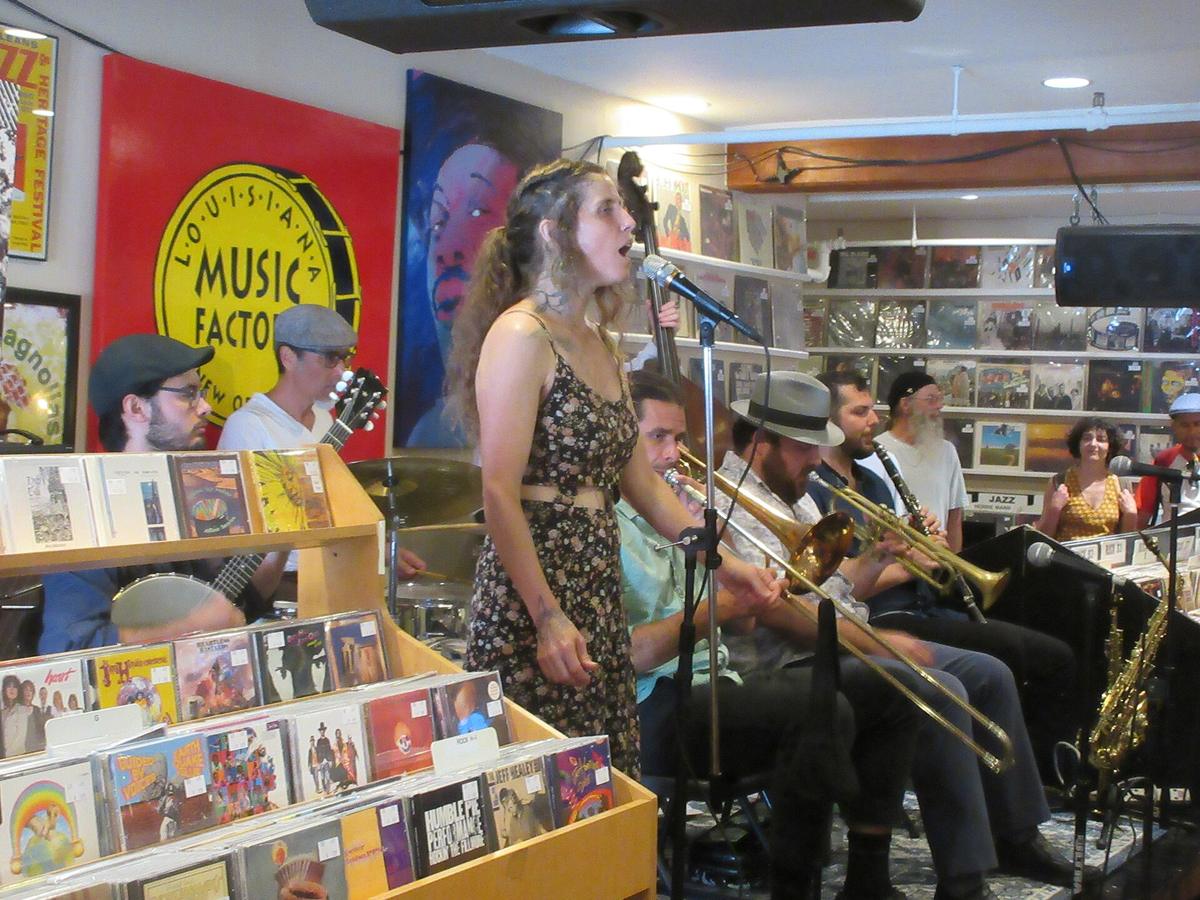

Festivals as Calendar Anchors
Two festivals define the New Orleans music calendar, and they bookend the spring season. French Quarter Festival runs the second weekend of April, April 9 through 12 in 2026, with multiple outdoor stages throughout the French Quarter, riverfront, and Woldenberg Park. Admission is free. The scope is exclusively Louisiana artists, no national touring headliners, which makes it the best opportunity to hear local brass bands, jazz ensembles, and bounce acts without paying a cover. Attendance in 2024 was approximately 875,000 over four days. Go early in the day, leave before the evening crush, and eat the food vendor offerings rather than sitting down for a meal.
New Orleans Jazz & Heritage Festival, usually called Jazz Fest, runs the last weekend of April and the first weekend of May, April 23 through 26 and April 30 through May 3 in 2026. Location is the Fair Grounds Race Course, 1751 Gentilly Boulevard. Daily capacity is 80,000 to 100,000. The music scope is international headliners across all genres plus Louisiana music, brass bands, gospel, blues, and jazz across 10 or more stages. Book your lodging as soon as the dates are announced, preferably a year in advance. The hotel pricing during Jazz Fest is the highest of the year, and the city gridlocks. If you are attending only for the music, skip the main stage crowds and spend your time at the cultural exchange pavilion and the gospel tent. That is where the New Orleans sound is, not in the Rolling Stones set.
Who This Itinerary is for and Who Should Skip it
This New Orleans music itinerary is for the traveller who plans a trip around a Tuesday night brass show and structures everything else around that commitment. It is for the person who wants to hear bounce, funk, and traditional jazz in the rooms where the locals go, not the rooms the concierge recommends. It is for the serious eater who will build a day around a debris-smothered roast beef po-boy from Parkway Bakery or a muffuletta from Central Grocery, then spend the evening standing at Tipitina's. It is for the nightlife seeker who can stay out past 4 a.m. without a bedtime and the history buff who understands that the music is the direct descendant of Congo Square.
It is not for the traveller who needs quiet, cleanliness, and order to relax. It is not for anyone with significant mobility issues, because the historic infrastructure is punishing. Potholes and broken sidewalks can twist an ankle even in the French Quarter. It is not for families with young children who expect Disney-style entertainment, because the city's adult vices are inescapable. It is not for the traveller on a very tight budget who is not prepared for a city that monetizes fun aggressively, from the $36 airport taxi fare to the $20 ride-share at 3 a.m. to the cover charge at the door. Four full days is the minimum. Anything less forces a choice between the essential food, music, and neighbourhood exploration, and you will leave with nothing but a Bourbon Street hangover.
More on New Orleans
-
 New Orleans or Memphis Which American Music City Should You Visit First
New Orleans offers denser, more serendipitous live music and later nights; Memphis is cheaper, more compact, and historically deeper for blues and soul.
New Orleans or Memphis Which American Music City Should You Visit First
New Orleans offers denser, more serendipitous live music and later nights; Memphis is cheaper, more compact, and historically deeper for blues and soul.
-
 New Orleans Jazz Fest or an Ordinary Music Week The Trade Nobody Tells You
Jazz Fest brings legendary lineups but packed clubs and surge pricing; an ordinary week offers breathing room, lower costs, and the same local bands.
New Orleans Jazz Fest or an Ordinary Music Week The Trade Nobody Tells You
Jazz Fest brings legendary lineups but packed clubs and surge pricing; an ordinary week offers breathing room, lower costs, and the same local bands.
-
 How to Plan a Trip Around Live Music Instead of Landmarks
How to plan an entire trip around live music, from picking the right city and the right week to knowing which room delivers the real sound.
How to Plan a Trip Around Live Music Instead of Landmarks
How to plan an entire trip around live music, from picking the right city and the right week to knowing which room delivers the real sound.
-
 New Orleans Music Festivals by Month and Climate
A month-by-month guide to New Orleans music festivals matched with honest climate expectations, from Mardi Gras cold snaps to Jazz Fest mud.
New Orleans Music Festivals by Month and Climate
A month-by-month guide to New Orleans music festivals matched with honest climate expectations, from Mardi Gras cold snaps to Jazz Fest mud.
-
 New Orleans Festival Camping and Flying with Gear
How to camp near New Orleans festivals and fly with your gear, from TSA tent-pole rules to surviving a Gulf Coast downpour at the Fair Grounds.
New Orleans Festival Camping and Flying with Gear
How to camp near New Orleans festivals and fly with your gear, from TSA tent-pole rules to surviving a Gulf Coast downpour at the Fair Grounds.
-
 How to Behave in a Small New Orleans Music Room Without Getting Stared At
Small New Orleans music rooms enforce strict etiquette: no talking during sets, tip the band even at no-cover shows, and never film from the front row.
How to Behave in a Small New Orleans Music Room Without Getting Stared At
Small New Orleans music rooms enforce strict etiquette: no talking during sets, tip the band even at no-cover shows, and never film from the front row.
-
 Buying New Orleans Concert Tickets Abroad Without Getting Burned on Resale
International buyers face credit card blocks and resale markups when buying New Orleans concert tickets; here's how to navigate presales and avoid scams.
Buying New Orleans Concert Tickets Abroad Without Getting Burned on Resale
International buyers face credit card blocks and resale markups when buying New Orleans concert tickets; here's how to navigate presales and avoid scams.
-
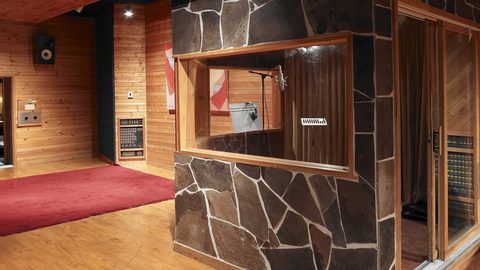 New Orleans Recording Studios You Can Actually Walk Into and Tour
A handful of historic New Orleans recording studios open their doors to visitors, but most require advance booking and respect for active sessions.
New Orleans Recording Studios You Can Actually Walk Into and Tour
A handful of historic New Orleans recording studios open their doors to visitors, but most require advance booking and respect for active sessions.
-
 Which Earplugs New Orleans Musicians Actually Use and Why You Need Them
New Orleans musicians wear high-fidelity earplugs from Etymotic and Loop to survive brass band sets and all-day festivals without sacrificing sound quality.
Which Earplugs New Orleans Musicians Actually Use and Why You Need Them
New Orleans musicians wear high-fidelity earplugs from Etymotic and Loop to survive brass band sets and all-day festivals without sacrificing sound quality.
Common Questions
How do I know which club has live music on a Tuesday night?
Check the calendar for the Maple Leaf Bar for Rebirth Brass Band. For other nights, WWOZ's online music calendar lists every live show by venue and genre. Frenchmen Street clubs usually post set times on their doors by early evening.
Is Bourbon Street worth visiting for music?
No. Bourbon Street is amplified cover bands, karaoke, and DJs in drink-focused venues. Go once for the spectacle, then spend your music time on Frenchmen Street, St Claude Avenue, or Uptown, where the original live music is.
How do I get home after a 2 a.m. set?
Budget for a ride-share and expect surge pricing. The streetcar runs 24 hours but with long gaps. The best strategy is to stay in the neighbourhood of your venue: Uptown for Tipitina's and Maple Leaf, Marigny or Bywater for Frenchmen Street, French Quarter for Preservation Hall.
What is the etiquette for a second line parade?
Do not walk between the brass band and the club members in the main parade body. Dance and follow behind or alongside the parade. Bring cash for the club members selling drinks and souvenirs. Stay hydrated. It lasts three to four hours and covers miles.
Read next
-
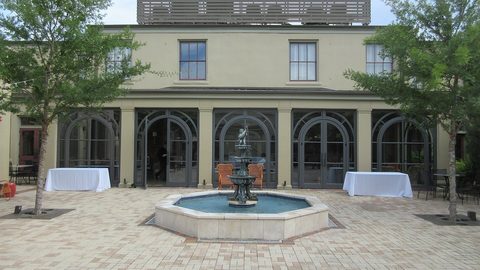 New Orleans Hotels The Historic Boutique and Festival Premium
New Orleans historic and boutique hotels from the Monteleone to the Pontchartrain, and what Jazz Fest minimum stays and surge pricing do to the bill.
New Orleans Hotels The Historic Boutique and Festival Premium
New Orleans historic and boutique hotels from the Monteleone to the Pontchartrain, and what Jazz Fest minimum stays and surge pricing do to the bill.
-
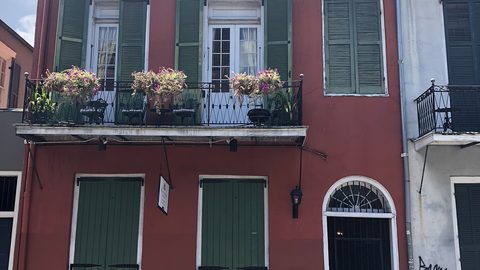 Where to Stay in New Orleans by How Late You Plan to Be Out
Choose your New Orleans neighborhood by your bedtime: French Quarter for 4 a.m. chaos, Marigny for the Frenchmen Street stagger, CBD for midnight quiet.
Where to Stay in New Orleans by How Late You Plan to Be Out
Choose your New Orleans neighborhood by your bedtime: French Quarter for 4 a.m. chaos, Marigny for the Frenchmen Street stagger, CBD for midnight quiet.
-
 Flying into New Orleans Memphis and Nashville for a Music Triangle Trip
How to book flights for a New Orleans, Memphis, and Nashville music trip, including open-jaw strategies, MSY ground transport, and the case for driving one leg.
Flying into New Orleans Memphis and Nashville for a Music Triangle Trip
How to book flights for a New Orleans, Memphis, and Nashville music trip, including open-jaw strategies, MSY ground transport, and the case for driving one leg.
-
 New Orleans Beyond the Music What to Do Between the Nights
Daytime New Orleans for the music traveller who sleeps late: shaded sculpture gardens, powerful Bywater murals, and streetcar rides through the Garden District.
New Orleans Beyond the Music What to Do Between the Nights
Daytime New Orleans for the music traveller who sleeps late: shaded sculpture gardens, powerful Bywater murals, and streetcar rides through the Garden District.
-
 The New Orleans Calendar Mardi Gras Jazz Fest and the Summer Slump
-
 Getting Around New Orleans at Night Without a Car
How to get around New Orleans after midnight when streetcars stop, ride-share prices spike at 2 a.m., and the sidewalks are your fastest—and most hazardous—option.
Getting Around New Orleans at Night Without a Car
How to get around New Orleans after midnight when streetcars stop, ride-share prices spike at 2 a.m., and the sidewalks are your fastest—and most hazardous—option.
-
 Music America Road Trip: Where the Sound Comes From and How to Drive It
Map your cross-country music pilgrimage by car, linking the Mississippi Delta, Appalachia, and the Rust Belt into one continuous American soundtrack.
Music America Road Trip: Where the Sound Comes From and How to Drive It
Map your cross-country music pilgrimage by car, linking the Mississippi Delta, Appalachia, and the Rust Belt into one continuous American soundtrack.
-
New Orleans or Memphis Which American Music City Should You Visit First
New Orleans offers denser, more serendipitous live music and later nights; Memphis is cheaper, more compact, and historically deeper for blues and soul.
-
New Orleans Jazz Fest or an Ordinary Music Week The Trade Nobody Tells You
Jazz Fest brings legendary lineups but packed clubs and surge pricing; an ordinary week offers breathing room, lower costs, and the same local bands.