The Unwritten Rules of New Orleans Live Music Venue Etiquette
Small New Orleans music rooms enforce strict etiquette: no talking during sets, tip the band even at no-cover shows, and never film from the front row.

.jpg)
How to Behave in a Small New Orleans Music Room Without Getting Stared at
You walked into a small jazz club on Frenchmen Street, started talking to your companion during the trumpet solo, and now four locals are staring at you like you just cursed at the band. You broke the city's most sacred rule: you disrespected the music. In New Orleans, the live set is not background noise. It is the reason the room exists. Fix this before the next song.
The behavioral rules for small New Orleans music venues are not posted on the wall. They are enforced by eye contact, sudden silence, and the occasional tap on the shoulder from the bartender. The core rule across every small club in the Marigny and Tremé is this: the music comes first. Your conversation, your phone, your drink order all wait until the song ends. Break that order and you become the person everyone mentions when they complain about tourists.
The Zero-Tolerance Talking Policy at Preservation Hall and Snug Harbor
Where Silence Is Non-Negotiable
Two venues enforce silence with the severity of a classical concert hall: Preservation Hall on St. Peter Street and Snug Harbor Jazz Bistro on Frenchmen Street. At Preservation Hall, a $25 to $50 ticket buys you a cushion on the floor or a spot in the standing rear section. It does not buy you permission to whisper during a clarinet run. Staff will ask you to leave. Snug Harbor operates the same policy during performances. The room is seated only, no standing, and talking during a set gets you a quiet instruction to exit. If you want to chat, wait for the break between sets or step outside onto the street.
How the Rule Softens at Other Clubs
At Tipitina's and d.b.a., the tolerance is low near the stage but moderate near the bar. Standing six feet from a pianist microphone at Tipitina's while discussing your dinner plans will earn you annoyed glances. Move to the raised bar area if you need to speak. At Maple Leaf Bar, the room is louder by default because of the hard surfaces and crowd density, but keeping chatter to the bar zone remains the norm.
The Expectation of Buying Drinks or Tipping Heavily at No-Cover Frenchmen Street Clubs
The Unwritten Contract of Free Entry
Frenchmen Street is the city's premier live music strip with three blocks of clubs that charge no cover. That free entry comes with a contract: you buy drinks, and you tip the band. The 2024 standard at clubs along this strip is a $5 minimum per person, per set in the tip jar. For a four-piece band playing three sets, that is $15 from you over the evening. Bring cash. Smaller clubs on the strip are cash only, and ATM access is limited to two machines, one at d.b.a. and one at R Bar. If you stand at the bar for two hours without ordering a drink and drop nothing in the bucket, you are freeloading. The locals know it.
Tipping Norms by Neighbourhood
On Bourbon Street, tipping drops to $1 to $2 per requested song because the bands cycle through faster. At Preservation Hall, requests are accepted with a tip of $1 to $5, traditional jazz repertoire only. Whatever the venue, the tip jar is a primary income source for the musicians. Venue cuts on merch sales range from zero to 25 percent, so the cash in the jar is direct income. Merch is available at most club exits and is another revenue route; the small counter near the Preservation Hall exit sells shirts that put money in the musicians' pockets. For a different flavor of Southern music history, Memphis offers its own pilgrimage of intimate rooms where the legacy of Sun and Stax still pays the rent.
Why Musicians Will Stop Playing If You Stand at the Front and Film
Put the Phone Down
Phone filming is prohibited at Preservation Hall and Snug Harbor during performances. At Tipitina's, filming is permitted with no flash. Club rules along Frenchmen Street are venue specific; check the door signage before you hit record. The failure case is not a polite request. Musicians will stop playing mid-song and stare at you until you lower the phone. A horn player on the strip once stopped a second-line groove to ask a tourist whether the video was worth ruining the vibe for sixty other people.
The One Accessory Musicians Respect
Here is what musicians notice: earplugs. Wearing high-fidelity earplugs signals that you are a regular who knows the room. A trumpet at close range in a small club hits levels that cause permanent damage in under 15 minutes. The musicians who play those sets all night wear custom molds. When they see you putting in a pair of Etymotics or Vibes before the first note, they clock you as someone who understands the room. It is the cheapest way to earn goodwill in a small club.


The Standing and Seating Rules That Tourists Get Wrong
Reading the Room Layout
Each venue has a specific audience geography, and ignoring it confuses everyone around you.
- At Tipitina's, the front of the stage is for dancing. The raised area by the bar is for viewing. Do not stand motionless at the stage lip if people behind you are trying to move.
- At Snug Harbor, the room is seated only. No standing during the performance. Arrive early to claim a seat or accept standing outside the performance room.
- At Preservation Hall, floor seating on cushions is at the front, standing is at the rear. No reserved spots. Arrive 20 minutes before doors open to choose your spot.
- At Maple Leaf Bar, the dance floor is at the front and the bar area is at the rear. The room is loud enough that you can converse comfortably at the bar without disturbing the set.
The one thing that most often goes wrong here: visitors stand in front of people who have been holding their spot for an hour, then act surprised when they get shouldered. If arriving late, find a sight line from the side or rear. Do not push to the front.
Read next
-
 New Orleans Hotels The Historic Boutique and Festival Premium
New Orleans historic and boutique hotels from the Monteleone to the Pontchartrain, and what Jazz Fest minimum stays and surge pricing do to the bill.
New Orleans Hotels The Historic Boutique and Festival Premium
New Orleans historic and boutique hotels from the Monteleone to the Pontchartrain, and what Jazz Fest minimum stays and surge pricing do to the bill.
-
 Where to Stay in New Orleans by How Late You Plan to Be Out
Choose your New Orleans neighborhood by your bedtime: French Quarter for 4 a.m. chaos, Marigny for the Frenchmen Street stagger, CBD for midnight quiet.
Where to Stay in New Orleans by How Late You Plan to Be Out
Choose your New Orleans neighborhood by your bedtime: French Quarter for 4 a.m. chaos, Marigny for the Frenchmen Street stagger, CBD for midnight quiet.
-
 Flying into New Orleans Memphis and Nashville for a Music Triangle Trip
How to book flights for a New Orleans, Memphis, and Nashville music trip, including open-jaw strategies, MSY ground transport, and the case for driving one leg.
Flying into New Orleans Memphis and Nashville for a Music Triangle Trip
How to book flights for a New Orleans, Memphis, and Nashville music trip, including open-jaw strategies, MSY ground transport, and the case for driving one leg.
-
 New Orleans Beyond the Music What to Do Between the Nights
Daytime New Orleans for the music traveller who sleeps late: shaded sculpture gardens, powerful Bywater murals, and streetcar rides through the Garden District.
New Orleans Beyond the Music What to Do Between the Nights
Daytime New Orleans for the music traveller who sleeps late: shaded sculpture gardens, powerful Bywater murals, and streetcar rides through the Garden District.
-
 The New Orleans Calendar Mardi Gras Jazz Fest and the Summer Slump
-
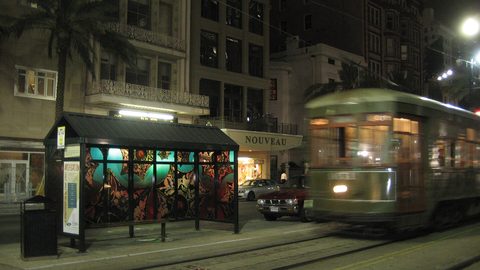 Getting Around New Orleans at Night Without a Car
How to get around New Orleans after midnight when streetcars stop, ride-share prices spike at 2 a.m., and the sidewalks are your fastest—and most hazardous—option.
Getting Around New Orleans at Night Without a Car
How to get around New Orleans after midnight when streetcars stop, ride-share prices spike at 2 a.m., and the sidewalks are your fastest—and most hazardous—option.
-
 Music America Road Trip: Where the Sound Comes From and How to Drive It
Map your cross-country music pilgrimage by car, linking the Mississippi Delta, Appalachia, and the Rust Belt into one continuous American soundtrack.
Music America Road Trip: Where the Sound Comes From and How to Drive It
Map your cross-country music pilgrimage by car, linking the Mississippi Delta, Appalachia, and the Rust Belt into one continuous American soundtrack.
-
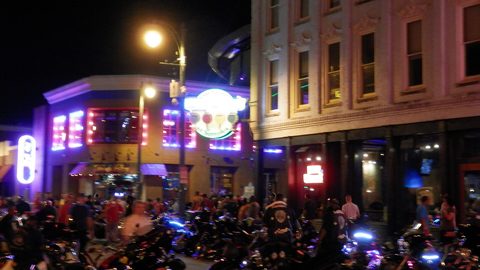 New Orleans or Memphis Which American Music City Should You Visit First
New Orleans offers denser, more serendipitous live music and later nights; Memphis is cheaper, more compact, and historically deeper for blues and soul.
New Orleans or Memphis Which American Music City Should You Visit First
New Orleans offers denser, more serendipitous live music and later nights; Memphis is cheaper, more compact, and historically deeper for blues and soul.
-
 New Orleans Jazz Fest or an Ordinary Music Week The Trade Nobody Tells You
Jazz Fest brings legendary lineups but packed clubs and surge pricing; an ordinary week offers breathing room, lower costs, and the same local bands.
New Orleans Jazz Fest or an Ordinary Music Week The Trade Nobody Tells You
Jazz Fest brings legendary lineups but packed clubs and surge pricing; an ordinary week offers breathing room, lower costs, and the same local bands.