When to Visit New Orleans for Music Weather and Your Sanity
The Best Time to Visit New Orleans for Live Music is Not What You Think
Most people get this wrong. They assume Mardi Gras or Jazz Fest is the best time to visit for live music. That is true only if your budget is flexible, your heat tolerance is high, and your primary goal is spectacle. For most visitors, the actual sweet spot is late autumn, and the worst mistake is booking a July or August trip because the flight was cheap. The best time depends entirely on your tolerance for crowds, heat, and cost. The city's calendar forces a real trade-off between peak experience and peak misery.
New Orleans delivers live music year-round. The question is not whether you will find it, but whether you will enjoy finding it. February through May is the festival gauntlet, with Mardi Gras and Jazz Fest driving hotel rates to 3x to 5x above low season. Late October offers Halloween energy and bearable humidity. June through September is a gamble with oppressive heat and hurricane season that only the budget-constrained or foolhardy should take. There is no universal best month. There is only the month that matches your specific tolerance for discomfort and expense.

February Through May: Peak Music, Peak Prices, Peak Crowds
Mardi Gras and the Spring Crush
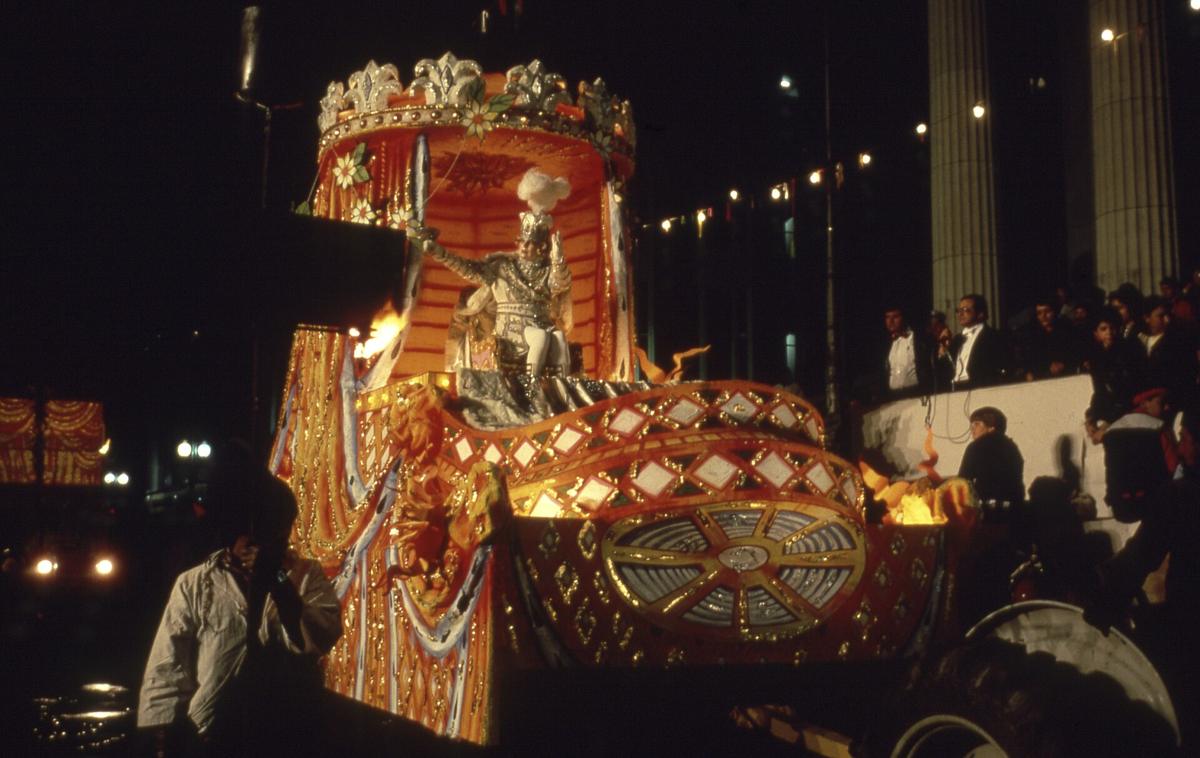
This window contains the city's two biggest draws. Mardi Gras 2027 falls on Tuesday, February 9, with parade season starting January 23 and escalating over three weeks. Hotel rates hit 3x to 5x above low season. Most French Quarter and Central Business District properties require a 4- to 5-night minimum stay. The St. Charles streetcar line suspends during parade hours, and the Canal streetcar reroutes. Private balcony access on Bourbon Street costs $150 to $400 per person per day. If you are not attending a specific parade like Endymion, avoid the Saturday before Mardi Gras entirely. The city gridlocks.
Jazz Fest and French Quarter Fest
Jazz Fest 2027 runs April 22 to 25 and April 29 to May 2 at the Fair Grounds Race Course. A single-day ticket cost $95 in advance and $105 at the gate in 2026. Hotel rates run 2x to 3x above low season. French Quarter Fest falls April 8 to 11, 2027, admission free, with attendance around 825,000 over four days. If you want brass bands, bounce, and jazz in their natural habitat, this four-month stretch is unmatched. But you pay for it in money and patience. The failure case: arriving without hotel and flight booked six months ahead, then paying a fortune for a motel in Kenner.
October: the Sweet Spot for Weather and Energy
This is the month that balances music availability, tolerable weather, and manageable crowds. The average high temperature sits in the low 80s Fahrenheit. Humidity drops from summer's suffocating range. Hurricane risk, while still present from the Atlantic season that runs June 1 to November 30, is lower than peak August and September. Hotel rates stay near the annual average, not the 3x multiples of spring. Halloween brings its own energy, with parades and costume parties across the French Quarter and Marigny, but without the logistical chokehold of Mardi Gras.
Live music does not pause. Frenchmen Street runs three blocks of clubs with no cover charges most nights. The failure case: assuming this is a low-season secret and finding that it books up just as fast as spring, just at lower prices. Book by August for October stays. The only real risk is a late-season hurricane. Buy travel insurance that covers weather-related cancellation. For a different kind of river-city rhythm, Memphis trades the Gulf Coast humidity for barbecue smoke and a pilgrimage through Sun and Stax.
June Through September: the Discount That Comes with Danger
The Heat Tax
Summer hotel rates drop 30 to 50 percent below the annual average for a reason. The average high temperature is 91°F, but the heat index regularly hits 100°F to 110°F. New Orleans is a walking city with broken sidewalks and potholes that twist ankles. The humidity makes physical activity punishing by 10 a.m. Rain falls 6.0 to 6.5 inches per month. Street flooding after sudden downpours can leave intersections impassable for hours.
Hurricane Reality and the One Bright Spot
Hurricane season peaks from mid-August through October. The last direct hit was Hurricane Ida on August 29, 2021. Do not book a nonrefundable flight for late August without understanding that the airport may close. The single summer event worth considering is Satchmo SummerFest, typically the first weekend of August at the New Orleans Jazz Museum, admission $10 to $15 per day. But it is one weekend in a three-month slog. The failure case: arriving in July, spending $40 on ride shares because walking is unbearable, and leaving after two days instead of the planned five.

November to December: the Real Low Season Window
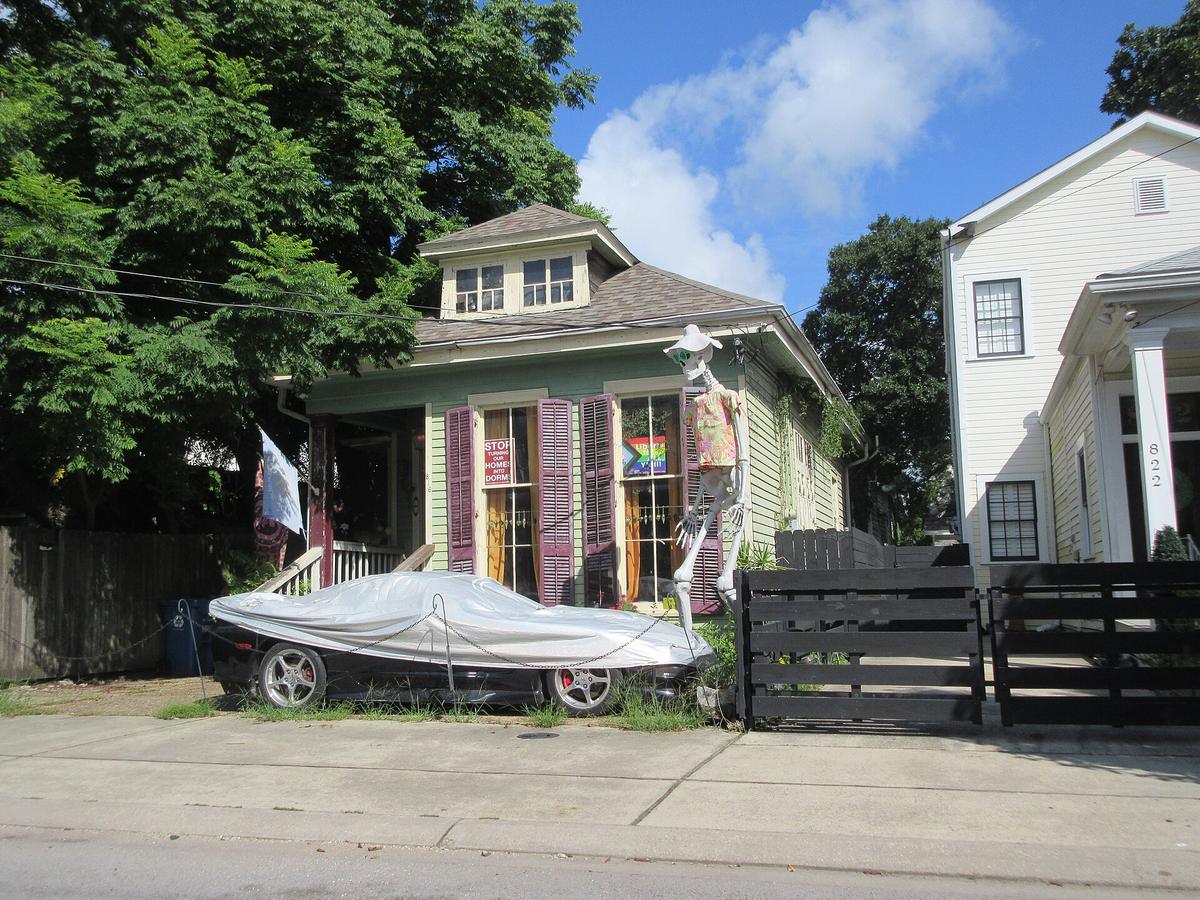
The first week of November through the second week of December is the shoulder low-rate window. Hotel rates run 20 to 40 percent below the annual average. Average high temperatures range from 68°F to 78°F. Rainfall drops to 4.0 to 5.0 inches per month. Christmas decorations go up across the French Quarter, and the music calendar does not shrink. Preservation Hall and the clubs on Frenchmen Street operate year-round. The trade-off is missing the major festivals, but for a visitor who wants live music without a crowd crush, this is the easiest window to book and enjoy.
The failure case: assuming December is dead because no major festival runs. It is not. Local brass bands play six nights a week. The real risk is showing up during the week after Thanksgiving and finding that the city has not yet shifted into holiday mode. That week is quiet, not dead. Bring a jacket for evenings.
Common Questions
When is Mardi Gras 2027?
Mardi Gras 2027 is Tuesday, February 9, with parade season beginning January 23 and escalating over three weeks.
How far ahead should I book hotels for Jazz Fest?
Book at least six months ahead. Hotels in the French Quarter and Central Business District sell out during late April, and rates run 2x to 3x above low season.
Is October part of hurricane season?
Yes. The Atlantic hurricane season runs June 1 to November 30, with peak activity from mid-August through October. Buy travel insurance that covers weather-related cancellation if you book an October trip.
What is the cheapest time to visit for live music?
The first week of November through the second week of December. Hotel rates run 20 to 40 percent below the annual average, and live music continues uninterrupted on Frenchmen Street and at Preservation Hall.
Can I visit in July and still enjoy the music?
You can, but the heat index of 100°F to 110°F makes walking between clubs dangerous by midday. Budget for ride shares and indoor venues with strong air conditioning. The only summer music festival is Satchmo SummerFest, typically the first weekend of August.
Read next
-
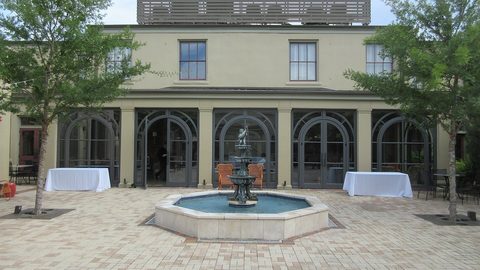
 New Orleans Hotels The Historic Boutique and Festival Premium
New Orleans historic and boutique hotels from the Monteleone to the Pontchartrain, and what Jazz Fest minimum stays and surge pricing do to the bill.
New Orleans Hotels The Historic Boutique and Festival Premium
New Orleans historic and boutique hotels from the Monteleone to the Pontchartrain, and what Jazz Fest minimum stays and surge pricing do to the bill.
-
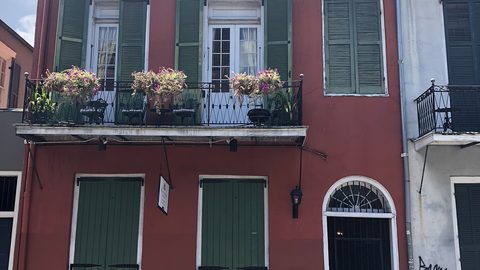 Where to Stay in New Orleans by How Late You Plan to Be Out
Choose your New Orleans neighborhood by your bedtime: French Quarter for 4 a.m. chaos, Marigny for the Frenchmen Street stagger, CBD for midnight quiet.
Where to Stay in New Orleans by How Late You Plan to Be Out
Choose your New Orleans neighborhood by your bedtime: French Quarter for 4 a.m. chaos, Marigny for the Frenchmen Street stagger, CBD for midnight quiet.
-
 Flying into New Orleans Memphis and Nashville for a Music Triangle Trip
How to book flights for a New Orleans, Memphis, and Nashville music trip, including open-jaw strategies, MSY ground transport, and the case for driving one leg.
Flying into New Orleans Memphis and Nashville for a Music Triangle Trip
How to book flights for a New Orleans, Memphis, and Nashville music trip, including open-jaw strategies, MSY ground transport, and the case for driving one leg.
-
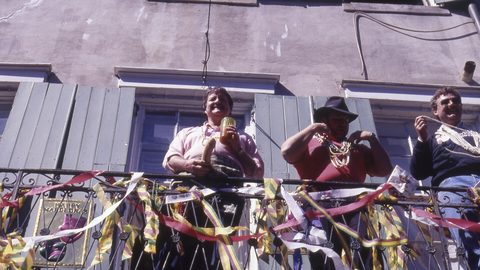 New Orleans Beyond the Music What to Do Between the Nights
Daytime New Orleans for the music traveller who sleeps late: shaded sculpture gardens, powerful Bywater murals, and streetcar rides through the Garden District.
New Orleans Beyond the Music What to Do Between the Nights
Daytime New Orleans for the music traveller who sleeps late: shaded sculpture gardens, powerful Bywater murals, and streetcar rides through the Garden District.
-
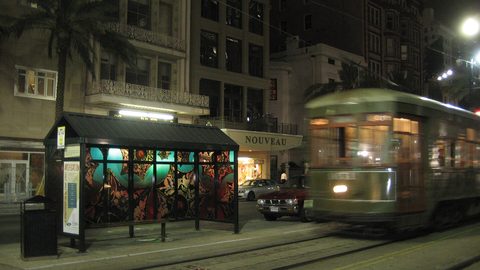 Getting Around New Orleans at Night Without a Car
How to get around New Orleans after midnight when streetcars stop, ride-share prices spike at 2 a.m., and the sidewalks are your fastest—and most hazardous—option.
Getting Around New Orleans at Night Without a Car
How to get around New Orleans after midnight when streetcars stop, ride-share prices spike at 2 a.m., and the sidewalks are your fastest—and most hazardous—option.
-
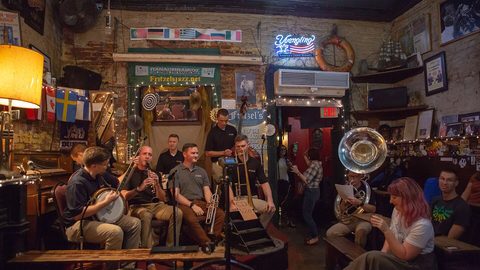 Three and Five Nights in New Orleans Built Around the Music
A music-first itinerary for 3 or 5 nights in New Orleans that respects the city's late-night rhythm, with recovery mornings and a dedicated brass band night built in.
Three and Five Nights in New Orleans Built Around the Music
A music-first itinerary for 3 or 5 nights in New Orleans that respects the city's late-night rhythm, with recovery mornings and a dedicated brass band night built in.
-
 Music America Road Trip: Where the Sound Comes From and How to Drive It
Map your cross-country music pilgrimage by car, linking the Mississippi Delta, Appalachia, and the Rust Belt into one continuous American soundtrack.
Music America Road Trip: Where the Sound Comes From and How to Drive It
Map your cross-country music pilgrimage by car, linking the Mississippi Delta, Appalachia, and the Rust Belt into one continuous American soundtrack.
-
 New Orleans or Memphis Which American Music City Should You Visit First
New Orleans offers denser, more serendipitous live music and later nights; Memphis is cheaper, more compact, and historically deeper for blues and soul.
New Orleans or Memphis Which American Music City Should You Visit First
New Orleans offers denser, more serendipitous live music and later nights; Memphis is cheaper, more compact, and historically deeper for blues and soul.
-
 New Orleans Jazz Fest or an Ordinary Music Week The Trade Nobody Tells You
Jazz Fest brings legendary lineups but packed clubs and surge pricing; an ordinary week offers breathing room, lower costs, and the same local bands.
New Orleans Jazz Fest or an Ordinary Music Week The Trade Nobody Tells You
Jazz Fest brings legendary lineups but packed clubs and surge pricing; an ordinary week offers breathing room, lower costs, and the same local bands.