Should You Visit New Orleans During a Festival or on a Regular Week
Jazz Fest brings legendary lineups but packed clubs and surge pricing; an ordinary week offers breathing room, lower costs, and the same local bands.


Jazz Fest vs. an Ordinary Music Week in New Orleans
Skip Jazz Fest.
The New Orleans Jazz and Heritage Festival looks like the peak music experience in the city. 80 stages, the biggest names in the world, brass bands from Cuba to Congo. But buying that ticket costs you exactly what makes New Orleans musically unique: access. During Jazz Fest the fairgrounds lineup is global and spectacular, but the clubs are packed with touring musicians doing late-night shows that sell out in hours. An ordinary Tuesday in October gets you into the Maple Leaf for Rebirth Brass Band with room to breathe, a $10 cover, and a drink in your hand by 11 p.m. without queueing for 45 minutes. Festival season is a competition for access. Unless you are willing to lose as often as you win, skip it.
Choosing between Jazz Fest or French Quarter Fest and a Thursday-to-Sunday ordinary week means weighing cost deltas, crowd dynamics, the fact that some local acts leave town during the big festivals, and your tolerance for spending more money to hear music in rooms that are too full.
| Axis | Jazz Fest (Late April) | French Quarter Fest (April 8-11, 2027) | Ordinary Week (October) |
|---|---|---|---|
| Hotel Rate, French Quarter, Per Night | $450-$900 | $250-$500 | $150-$300 |
| Hotel Rate, CBD/Warehouse, Per Night | $350-$700 | $200-$400 | $120-$250 |
| Round-Trip Domestic Airfare | $500-$1,200 | $400-$900 | $200-$450 |
| Club Cover, Frenchmen Street | $20-$50 | $15-$40 | $5-$20 |
| Pedestrian Density, Bourbon at St. Ann, Saturday Night | 10,000-15,000/hour | 6,000-10,000/hour | 2,000-4,000/hour |
| Ride-Share Surge, Peak | 3.0-5.0x | 2.0-3.0x | 1.0-1.5x |
| Restaurant Reservation Lead Time | 4-8 weeks | 2-4 weeks | 0-7 days |
| Admission to Festival | $75-$150 per day | Free | N/A |
What You Actually Gain by Going During a Festival
Jazz Fest delivers a lineup no ordinary week can match. The fairgrounds host 12 stages with artists you would pay $150 to see in any other city, plus local brass bands you have never heard of who will become your new obsession. The late-night shows at Tipitina's, the Maple Leaf, and d.b.a. feature touring musicians sitting in with local rhythm sections. That is a genuine once-a-year experience.
French Quarter Fest is a different animal. It is free. 20 outdoor stages across the Quarter, 800,000 people, and no admission cost. The music leans local and traditional: brass bands, jazz, R&B. The crowd is more local than Jazz Fest. You do not pay to enter, but you pay for everything else. Hotel rates run $250-$500 per night in the Quarter, and Frenchmen Street clubs still hike covers to $15-$40.
The Hidden Cost of Competition
During Jazz Fest, the clubs that usually have no cover charge suddenly do. The shows you want sell out before you land. You queue for 45 minutes to get into a bar that holds 150 people, and once inside you cannot move. The touring musicians are excellent, but they are also the reason you cannot hear a local brass band without fighting for space. Some local acts, the ones who play every Wednesday at the Spotted Cat, leave town during Jazz Fest to tour elsewhere. The city is so full of out-of-town musicians that the local scene temporarily shifts.
The physical exhaustion is real. Broken sidewalks, potholes that twist your ankle, 90-degree heat in late April, and the smell of Bourbon Street by noon. You will spend more time moving between venues than you will hearing music that matters.
What You Get During an Ordinary Week That Festivals Cannot Offer
An ordinary Tuesday in October is the music trip you actually want.
Walk onto Frenchmen Street at 9 p.m. Pay a $5 cover at the Spotted Cat and stand three feet from the band. The room is full, but not packed. Order a drink without waving cash over someone's shoulder. The band plays until 2 a.m., and when they finish you walk to the next club without queueing. That is the New Orleans that festivals destroy.
The cost difference is not subtle. A four-day ordinary week in October sets you back $150-$300 per night for a French Quarter hotel. Round-trip airfare runs $200-$450. Eat a $26 entree at Mr. B's and get a table with a same-day reservation. Take the St. Charles streetcar at 11 p.m. and have the car half empty. The ride-share from the airport costs $36 flat, no surge. You spend less than half what you would during a festival weekend, and you hear more music because you are not waiting in lines.
The One Thing You Lose
You lose the spectacle. You will not see Stevie Wonder on the fairgrounds main stage. You will not be part of the 1.2 million people who crowd the city for Mardi Gras. But if your goal is to hear live New Orleans music in its natural habitat, played by the musicians who live here, an ordinary week is better. The music is the same. The access is better. The room to move is radically better.

_LCCN2014681883.jpg)
Worth it if
- Fairgrounds lineup is unmatched, with international headliners and deep local bills
- French Quarter Fest is free admission, making it the most accessible big event
- Late-night club shows feature touring musicians sitting in with locals, a rare combination
- The energy is electric, with 1.2 million visitors during peak weeks creating a party atmosphere
Skip it if
- Club shows sell out instantly; you will miss at least half of what you want to see
- Hotel rates triple; a room that costs $200 in October costs $700 during Jazz Fest
- Local musicians leave during major festivals; the scene becomes dominated by out-of-town players
- Crowds are punishing; 10,000-15,000 pedestrians per hour on Bourbon Street, 45-minute queues for a bathroom
The Honest Caveat
An ordinary week is better for hearing music. A festival week is better for spectacle. If you need the spectacle, go to Jazz Fest. But know that you are paying triple for the privilege of standing in a room too full to dance, waiting 20 minutes for a drink, and competing with 10,000 other people for a view of the stage. If that sounds like a vacation, you have never tried the alternative.
Read next
-
 New Orleans Hotels The Historic Boutique and Festival Premium
New Orleans historic and boutique hotels from the Monteleone to the Pontchartrain, and what Jazz Fest minimum stays and surge pricing do to the bill.
New Orleans Hotels The Historic Boutique and Festival Premium
New Orleans historic and boutique hotels from the Monteleone to the Pontchartrain, and what Jazz Fest minimum stays and surge pricing do to the bill.
-
 Where to Stay in New Orleans by How Late You Plan to Be Out
Choose your New Orleans neighborhood by your bedtime: French Quarter for 4 a.m. chaos, Marigny for the Frenchmen Street stagger, CBD for midnight quiet.
Where to Stay in New Orleans by How Late You Plan to Be Out
Choose your New Orleans neighborhood by your bedtime: French Quarter for 4 a.m. chaos, Marigny for the Frenchmen Street stagger, CBD for midnight quiet.
-
 Flying into New Orleans Memphis and Nashville for a Music Triangle Trip
How to book flights for a New Orleans, Memphis, and Nashville music trip, including open-jaw strategies, MSY ground transport, and the case for driving one leg.
Flying into New Orleans Memphis and Nashville for a Music Triangle Trip
How to book flights for a New Orleans, Memphis, and Nashville music trip, including open-jaw strategies, MSY ground transport, and the case for driving one leg.
-
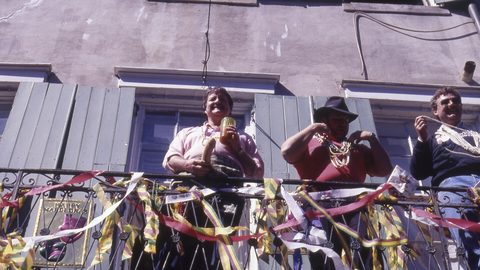 New Orleans Beyond the Music What to Do Between the Nights
Daytime New Orleans for the music traveller who sleeps late: shaded sculpture gardens, powerful Bywater murals, and streetcar rides through the Garden District.
New Orleans Beyond the Music What to Do Between the Nights
Daytime New Orleans for the music traveller who sleeps late: shaded sculpture gardens, powerful Bywater murals, and streetcar rides through the Garden District.
-
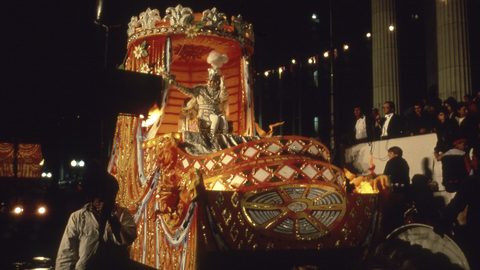 The New Orleans Calendar Mardi Gras Jazz Fest and the Summer Slump
-
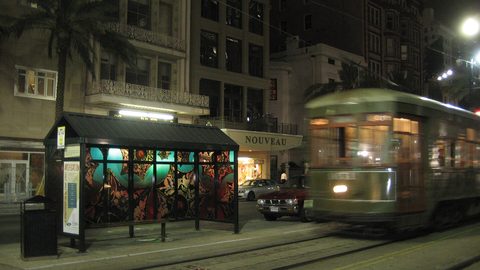 Getting Around New Orleans at Night Without a Car
How to get around New Orleans after midnight when streetcars stop, ride-share prices spike at 2 a.m., and the sidewalks are your fastest—and most hazardous—option.
Getting Around New Orleans at Night Without a Car
How to get around New Orleans after midnight when streetcars stop, ride-share prices spike at 2 a.m., and the sidewalks are your fastest—and most hazardous—option.
-
 Music America Road Trip: Where the Sound Comes From and How to Drive It
Map your cross-country music pilgrimage by car, linking the Mississippi Delta, Appalachia, and the Rust Belt into one continuous American soundtrack.
Music America Road Trip: Where the Sound Comes From and How to Drive It
Map your cross-country music pilgrimage by car, linking the Mississippi Delta, Appalachia, and the Rust Belt into one continuous American soundtrack.
-
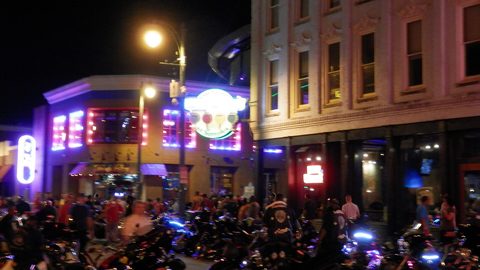 New Orleans or Memphis Which American Music City Should You Visit First
New Orleans offers denser, more serendipitous live music and later nights; Memphis is cheaper, more compact, and historically deeper for blues and soul.
New Orleans or Memphis Which American Music City Should You Visit First
New Orleans offers denser, more serendipitous live music and later nights; Memphis is cheaper, more compact, and historically deeper for blues and soul.
-
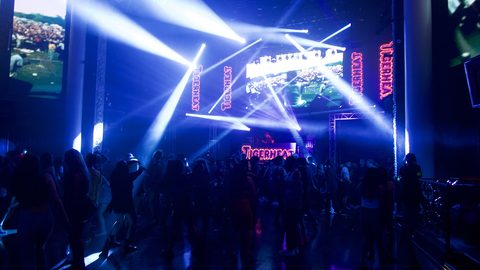 How to Plan a Trip Around Live Music Instead of Landmarks
How to plan an entire trip around live music, from picking the right city and the right week to knowing which room delivers the real sound.
How to Plan a Trip Around Live Music Instead of Landmarks
How to plan an entire trip around live music, from picking the right city and the right week to knowing which room delivers the real sound.