Motown, Techno and a City That Invented Two Sounds
- Flag
-

- ISO code
- US
- Population
- 645,705
- Currency
- USD
- Timezone
- America/Detroit
Motown, Techno and a City That Invented Two Sounds
Detroit is the only city on earth that birthed two globally dominant genres of music. Motown defined the sound of the 1960s. Detroit techno rewired global dance floors in the 1980s and 1990s. Experience both legacies on a single trip: the Motown Museum for the history, the Submerge building and Movement festival after-parties for the living scene, with jazz lineage at Baker's Keyboard Lounge and the room itself at Cliff Bell's. The geography is real. These scenes sit across a vast city of 138.7 square miles with no useful rail transit. You need a car or a disciplined ride-share strategy. That is the single most useful fact for navigating Detroit's music landscape.
The Motown Museum: One Hour of History That Justified a Genre
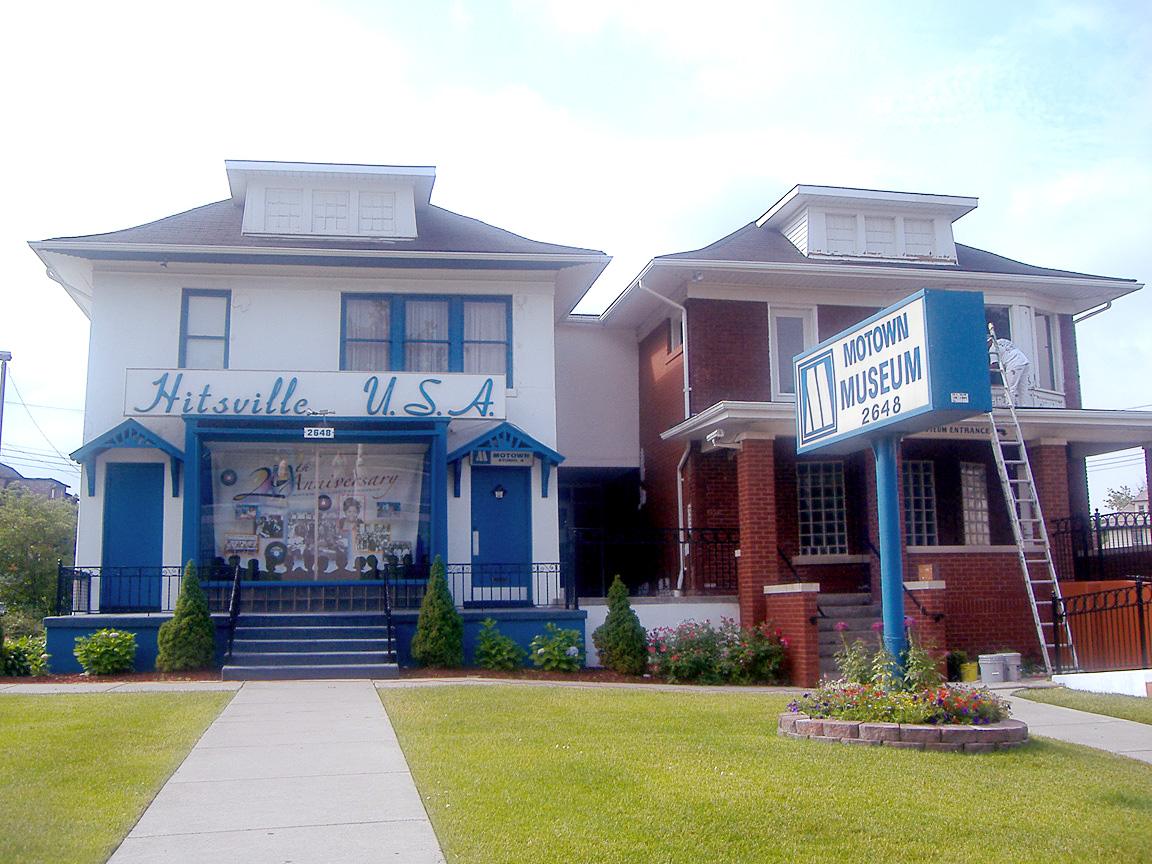
The Motown Museum sits at 2648 W Grand Blvd, the former Hitsville U.S.A. recording studio and house that operated from 1959 to 1972. Founded in 1985, it is not a slick, multi floor production. It is the original house, preserved tight.
What To Expect Inside
A tour runs 60 to 90 minutes and includes Studio A's control room with its original recording equipment, a wall of Motown artifacts, and Berry Gordy's upstairs apartment. Book your ticket ahead. Walk ups wait hours on weekends. The tour is cramped, warm, and fast. That is the point. You stand where the Funk Brothers cut the tracks that made the Supremes, Stevie Wonder, and Marvin Gaye household names. Do not expect interactive exhibits. Expect the actual room where the actual sound happened.
Timing And Parking
Arrive by 09:00 on a weekday to avoid the worst crowds. The parking lot is small. Park on the street west of the building and walk.

Techno’s Living Scene: Submerge, Movement and the After-Parties
The techno story starts 30 miles west in Belleville, where Juan Atkins, Derrick May, and Kevin Saunderson attended Belleville High School. Those three, plus Jeff Mills and Blake Baxter, exported the sound to Berlin in the late 1980s before Detroit itself fully embraced it.
Submerge: The Working Hub
The living heart of the scene now is Submerge, the collective founded by the Belleville Three at 3000 E Grand Blvd. The building holds the Submerge record store and distribution office. It is not a museum. It is a working hub. You walk in, buy vinyl, and talk to people who were in the room when the pattern dropped. Go on a Saturday afternoon. The vibe is informal. If someone is behind the counter, ask about the week's events. The information flows through people, not a brochure.
Movement And The After-Parties
Movement, the annual electronic music festival, happens Memorial Day weekend at Hart Plaza, organized by Paxahau. The main festival runs Friday through Sunday. The real action for techno heads is the after-parties. They start around 02:00 and run until sunrise at venues like the old Music Institute building at 1315 Broadway (which operated as the genre's sanctuary from 1988 to 1989), or at El Club at 4114 W Vernor Hwy, a 400 capacity space that books proper Detroit programming year-round. Saint Andrew's Hall at 431 E Congress St, capacity 1,000, and the Fillmore Detroit at 2115 Woodward Ave, capacity 2,900, also host major electronic acts outside festival season. If you visit outside May, check the lineups at these three venues before you book your flights. A weekend with a proper techno booking at El Club or Saint Andrew's Hall is worth more than a quiet weekend with a museum visit alone. For a completely different American sound, Memphis offers the raw soul of Sun and Stax just a day’s drive south.
Jazz Lineage and the Room Itself: Baker’s Keyboard Lounge and Cliff Bell’s
Baker's Keyboard Lounge
Baker's Keyboard Lounge on Livernois Ave claims the title of the oldest jazz club in the world. It opened in 1933. The room is small, dark, and shaped like a piano keyboard. The bar is the keys. The booths curve. This is not a tourist room. It is a local jazz institution where the music is the event, not the decor. Check the calendar online before you drive the 20 minutes northwest from downtown. Baker's books national acts and local legends. Cover runs $15 to $40. Arrive early for a seat, not for the bar service, which is slow.
Cliff Bell's
Cliff Bell's at 2030 Park Ave is the opposite in style and complementary in purpose. It opened in 1935 and was restored in 2005 to its art deco prime. The room is the draw: mahogany, brass, tile, a long bar, a backlit stage. You go here for the atmosphere as much as the jazz. The music leans toward traditional and swing, not avant-garde. Arrive at 19:00 for dinner and stay for the first set. The kitchen turns out a reliable burger and a proper steak. The crowd mixes young couples, older regulars, and musicians who just finished a gig elsewhere. Do not skip the room. Stand at the bar and look at the ceiling. That is the point.

Getting Around: a Car or Ride-Share is the Only Serious Option
Detroit's 1950 population was 1,849,568. The 2023 estimate is 633,218. The city that sprawled to hold 1.8 million people now has a third of that population across the same 138.7 square miles. The QLine streetcar runs 3.3 miles along Woodward Avenue, operating roughly 06:00 to midnight. That serves exactly one corridor. The DDOT bus network exists but offers limited late-night coverage. SMART serves the suburbs. You cannot use public transit to reach Baker's Keyboard Lounge, the Submerge building, or any of the after-parties after midnight.
Your Two Choices
Rent a car and pay for parking. Most museums and venues have lots or cheap street parking. Or use ride-hail. Budget $30 to $60 per day for ride-hail if you stay inside the Woodward corridor and jump between the Motown Museum, Third Man Records (the Cass Corridor pressing plant at 441 W Canfield St, opened 2017, offering guided tours on a seasonal schedule), and downtown venues. Budget more if you hit Baker's or the far east side. Do not walk between disconnected neighborhoods. The city is designed for cars. Fight that reality and you waste time.
Common Questions
Can I visit the Motown Museum and a techno after-party on the same day?
Yes, on a Saturday. Book the Motown Museum for 09:00. It takes 90 minutes. Spend the afternoon exploring Third Man Records or the Submerge store. Rest until 22:00. The after-parties run from 02:00 to sunrise.
Is Movement festival worth the trip even if I don't know Detroit techno well?
Yes, if you want the fastest education in the genre. The main stage at Hart Plaza draws international names. The after-parties book the originators. Come for Saturday and Sunday. Skip Friday unless you are a devotee.
Which jazz venue is easier to get into without a reservation?
Cliff Bell's. Walk in before 20:00 on a weeknight and sit at the bar. Baker's Keyboard Lounge requires a confirmed reservation or a 45-minute wait on weekends. Call ahead for both.
How much time should I budget for the Third Man Records pressing plant tour?
One hour. The guided tour includes the pressing floor and the record store. Check the schedule online before you go. The tour does not run every day. Call the number on the website to confirm.
Read next
-
 Eating in Detroit From Coney Island Stools to Late Night Pierogi
Detroit food means Coney dogs eaten elbow-to-elbow at Lafayette, smoky kielbasa in Hamtramck, and the diner rooms that keep the city fed long after midnight.
Eating in Detroit From Coney Island Stools to Late Night Pierogi
Detroit food means Coney dogs eaten elbow-to-elbow at Lafayette, smoky kielbasa in Hamtramck, and the diner rooms that keep the city fed long after midnight.
-
 Music America Road Trip: Where the Sound Comes From and How to Drive It
Map your cross-country music pilgrimage by car, linking the Mississippi Delta, Appalachia, and the Rust Belt into one continuous American soundtrack.
Music America Road Trip: Where the Sound Comes From and How to Drive It
Map your cross-country music pilgrimage by car, linking the Mississippi Delta, Appalachia, and the Rust Belt into one continuous American soundtrack.
-
 How an Artist's Chart Run Should Shape Your US Festival Calendar
Track an artist's chart momentum to predict US festival billing tiers and book tickets before prices and crowds outpace the experience.
How an Artist's Chart Run Should Shape Your US Festival Calendar
Track an artist's chart momentum to predict US festival billing tiers and book tickets before prices and crowds outpace the experience.