Fado in Alfama and Telling the Real Houses from the Show
- Flag
-

- ISO code
- PT
- Currency
- EUR
Fado in Alfama and Telling the Real Houses from the Show
The difference between a genuine tasca de fado and a €50 tourist menu with a sad singer is the difference between a sacred listening ritual and a dinner theatre performance. The line is thin enough that most visitors cross it without noticing. Paying the cover does not guarantee authenticity. Paying nothing and knowing where to stand does. The single most useful fact about fado in Lisbon is this: the real houses enforce silence through the scowls of regulars, not through laminated signs on the wall. If you can hear cutlery clinking during a verse, you are in a restaurant with music, not a casa de fado. The working houses of Alfama and Mouraria operate on a different logic entirely. Learn that logic before you set foot in any doorway.
How the Real Houses Work
Lisbon has licensed casas de fado concentrated in Alfama, Mouraria, Bairro Alto, and Madragoa. The overwhelming majority serve tourists first and sound second. The minority worth your time do not advertise fixed showtimes. They do not have a man with a clipboard at the door. They start when a local decides it is time to sing, and they stop when the last singer runs out of saudade. You do not book. Walk in, find a spot at the bar or a shared table, order a glass of vinho verde or a small beer, and shut your mouth. The rule is absolute silence during the singing. No talking. No eating. No moving around. Applause only at the end of each fado.
Start at Tasca do Chico
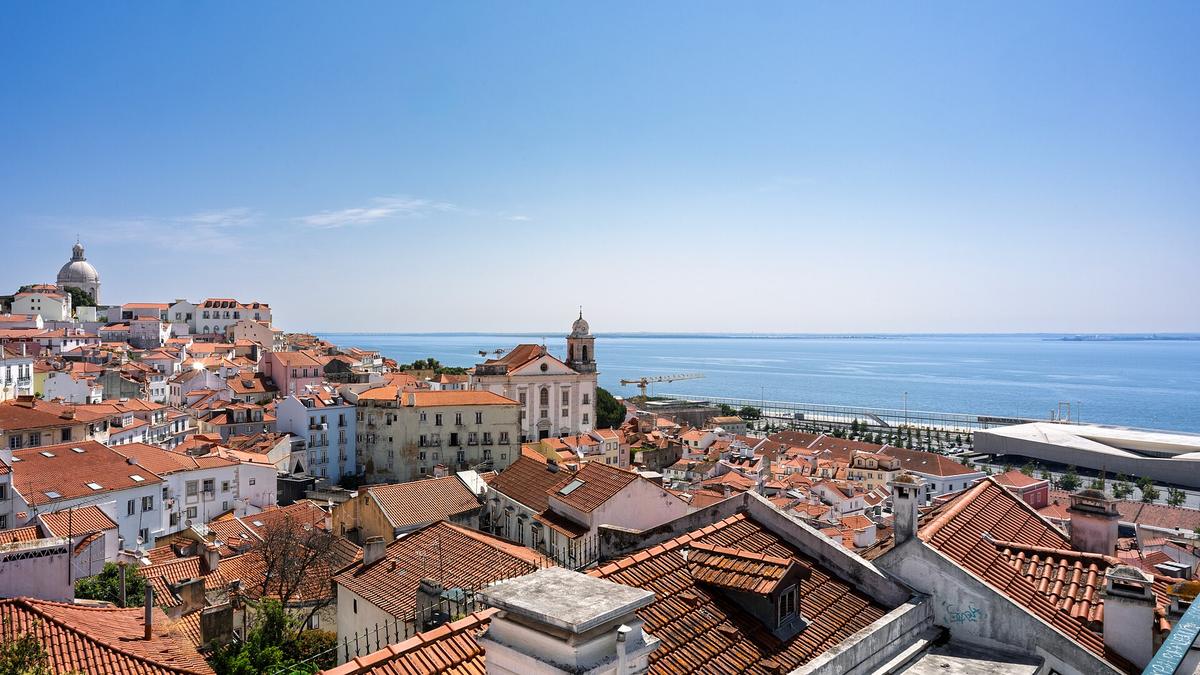
Start with Tasca do Chico in Alfama. This is the most famous of the real houses, and it is also the most crowded. Arrive by 20:00 or expect to stand outside on the narrow street. The cover charge is low, with a mandatory minimum consumption. There is no stage. The singer stands among the tables, and the Portuguese guitarra player sits two feet away. The audience is a mix of neighbourhood regulars, Portuguese from other districts, and foreigners who did the research. If you see a group of six tourists in matching sneakers, you waited too long. Move on to the next night.
.jpg)
Three Houses Where Silence is Enforced by Regulars
Mesa de Frades sits inside an old chapel in Alfama. The setting matters. Blue and white tile work, an altar alcove, a narrow room that holds perhaps 40 people. The cover charge is in the same range as Tasca do Chico, and the minimum consumption gets you a good glass of wine and nothing more. What separates Mesa de Frades from the tourist shows is the crowd. Locals come here because they know the singers. The fado vadio sessions, the informal unpaid sessions where anyone may sing, happen roughly Wednesday to Saturday. You never know who will step up. That is the point. A plumber from Graça might deliver a fado that stops your breath, and the only reward is the silence that follows.
A Baiuca is smaller and harder to find. It sits up a flight of steps off the main tourist drag in Alfama. The cover is even lower. The food is basic, nothing you would cross the city for. You go for the fado vadio, not the meal. The owner, a former fado singer, runs the room with an authority that makes the no-talking rule feel like a natural law. Use this test: walk into any place calling itself a casa de fado and ask what time the show starts. If they give you a precise answer, leave. Real fado does not have a showtime. It has a feeling in the room, and the regulars decide when it arrives.
Fado Vadio Versus Fado Profissional
Fado vadio translates as wandering fado, and it is the heart of the tradition. These are unpaid sessions where anyone in the room can step up and sing. No mic. No separation between performer and audience. No guarantee of quality. Some nights are transcendent. Some nights a drunk uncle from the neighbourhood tries a fado he does not know, and the guitarist saves him. That is the charm. Fado profissional is what you see in the dinner shows and the bigger casas: paid singers, fixed programmes, amplified sound, a menu designed to move covers quickly. A paid singer in a hushed room full of people who came to listen is one thing. A paid singer in a room full of people chewing steak is another. Avoid the latter.
Coimbra Fado and Lisbon Fado Are Not the Same
Lisbon fado is more improvisational, spontaneous, and audience-interactive than the Coimbra school. Coimbra fado originated in the university tradition, is sung exclusively by men in academic dress, and follows strict musical arrangements. You will hear Coimbra style in Lisbon occasionally, at formal concerts or the Fado Museum. The museum, at Largo do Chafariz de Dentro 1, is your best investment of a rainy afternoon. The entry fee is worth it for the tape recordings alone. Open Tuesday through Sunday 10:00 to 18:00, closed Monday and holidays. Do not skip the room on the guitarra makers. That instrument is the reason the genre sounds like nothing else in the world.
Mouraria is the Grittier Alternative to Alfama
Alfama gets the crowds because it is postcard-perfect, with the castle above and the tiled facades and the Fado Museum anchoring the tourist itinerary. Mouraria, the neighbouring district to the north, gets almost none of that traffic. That is precisely why it matters. This neighbourhood is where fado was born, in the 19th-century working-class tenements, and it is where the genre still feels lived rather than performed. The street parties during the Festas de Lisboa in June, particularly the arraiais around St Anthony's Day on the 12th and 13th, turn the district into a block-long grill of sardines and caldo verde and spontaneous fado on the pavement. August is quieter. September brings back the locals.
The casas here are fewer and less polished. No velvet rope. No menu in four languages. What you get is a bar where the owner knows every singer by name and the only food is a plate of presunto and cheese shared with the table next to you. The etiquette is identical: silent during the singing, applause at the end. The difference is that in this neighbourhood, you are more likely to hear a young singer trying a fado for the first time, voice cracking with nerves, and the room holding its breath anyway. That is the purest version of the tradition.
What You Pay and What You Get
Real casas de fado charge a low cover, €5 to €15, and enforce a minimum consumption of one or two drinks. The dinner-show houses charge €40 to €80 for a fixed menu that includes a performance. The maths is simple, but price alone does not tell you everything. A €50 dinner show in a large room with amplified sound is a ruined evening. A €50 dinner in a 30-seat room where the owner knows the singers and the guitarist is a friend of the house might be worth it, if the food is good. Rule of thumb: if the menu is a fixed price and the showtime is advertised, assume the worst. If the menu is loose and the music starts when someone feels like singing, assume the best.
Beyond Fado: Lisbon’s African Music Scene and Festival Calendar
Fado is the sound that sells tickets, but Lisbon is also the European capital of music from the former African colonies. Skip that scene and you miss half the city's musical soul. The Cape Verdean presence, centred in Cova da Moura in Amadora and Arrentela, delivers morna, funaná, and coladeira in community associations that rarely see tourists. The Angolan scene brings semba, kuduro, and afro-house to clubs across Greater Lisbon. Kizomba, the slow and sensual Angolan partner dance, has venues across the city with regular weekly nights. Batida, the fast syncopated electronic genre blending kuduro, house, and techno, is the sound shaping Lisbon's younger African diaspora. Find batida in warehouse parties and late-night clubs in Alcântara and Marvila, not in Alfama. Ask at the Fado Museum or the Musa festival organisers for current venues. The scene moves fast.
The festival calendar is your shortcut to concentrated musical access. June belongs to the Festas de Lisboa, peaking on the night of 12 June with the Marchas Populares parade on Avenida da Liberdade, a neighbourhood competition that is pure spectacle. In July, NOS Alive in the second week and Super Bock Super Rock in the third bring international and Portuguese acts to outdoor stages on the Tagus. EDP Cool Jazz runs throughout July in Cascais and Lisbon. The Musa festival, an annual Lisbon African music event, lands in late June or early July. Check the organisers' announcements for exact 2026 dates. Any of these festivals will show you a Lisbon that the dinner-show tourists never see.
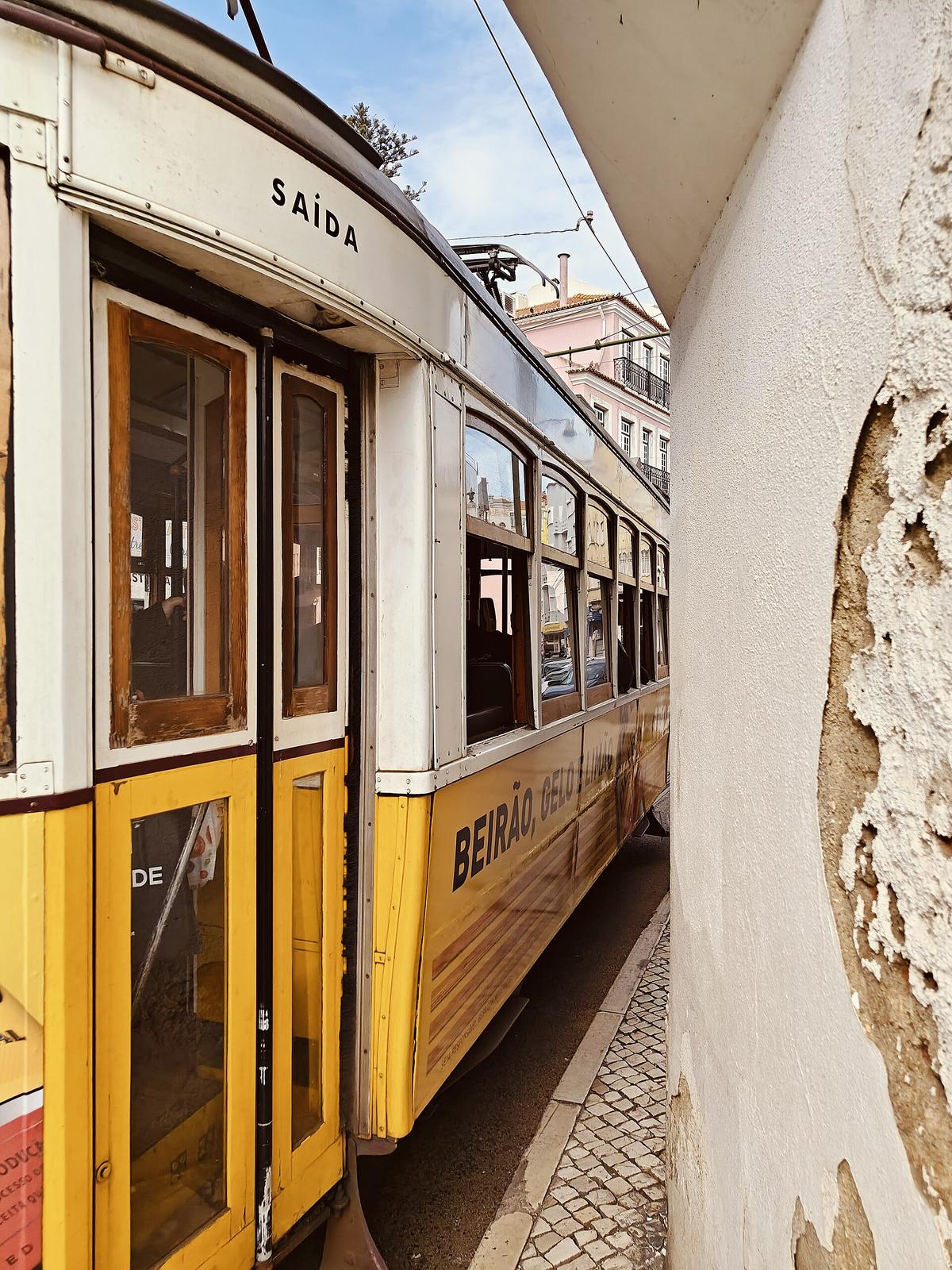

| Feature | Authentic Casa De Fado | Dinner Show |
|---|---|---|
| Cover charge | €5–15 | None, but menu costs €40–80 |
| Showtime | None, begins when a local decides | Advertised, fixed schedule |
| Sound | Unamplified, no mic | Amplified, projected |
| Audience | Local regulars mixed with informed visitors | Tourist groups, walk-ins |
| Food | Minimal, snack menu | Full fixed menu, often overpriced |
| Silence during performance | Enforced by regulars, absolute | Frequently broken by cutlery and chatter |
| Singer type | Neighbourhood regulars, fado vadio | Paid professionals, fado profissional |
Common Questions
How do I tell a real casa de fado from a tourist dinner show?
Real houses have no advertised showtime, a low cover of €5 to €15, a local audience, and enforced silence during singing. Dinner shows have fixed menus at €40 to €80, amplified sound, and cutlery noise during verses. If the menu is a fixed price, walk out.
What is the difference between fado vadio and fado profissional?
Fado vadio is informal and unpaid. Anyone in the bar can sing. There is no stage, no separation. Fado profissional is paid performance with fixed programmes and amplification. Fado vadio is more spontaneous and more vulnerable. It is also harder to find and more rewarding.
Which neighbourhood is better for authentic fado, Alfama or Mouraria?
Alfama has the Fado Museum, Tasca do Chico, and Mesa de Frades. Mouraria is grittier, less photographed, and less visited. Mouraria is where the genre began, and it feels less like a performance. Do both, but do Mouraria first on a weeknight when the crowds are thin.
Can I see non-fado live music in Lisbon without a festival?
Yes. Lisbon has an active African music scene including Cape Verdean morna, Angolan kuduro, kizomba with regular weekly venues, and batida in warehouse parties. These scenes cluster in Amadora, Arrentela, Alcântara, and Marvila. Ask at the Fado Museum or local music stores for current listings.
Read next
-
 Portugal's Hidden Sound: Fado Houses and the African-Portuguese Scene
Beyond fado, Lisbon pulses with kuduro, funaná, and tuga rap—the sound of Portugal's African diaspora reshaping the capital.
Portugal's Hidden Sound: Fado Houses and the African-Portuguese Scene
Beyond fado, Lisbon pulses with kuduro, funaná, and tuga rap—the sound of Portugal's African diaspora reshaping the capital.
-
 How an Artist's Chart Run Should Shape Your US Festival Calendar
Track an artist's chart momentum to predict US festival billing tiers and book tickets before prices and crowds outpace the experience.
How an Artist's Chart Run Should Shape Your US Festival Calendar
Track an artist's chart momentum to predict US festival billing tiers and book tickets before prices and crowds outpace the experience.