Tour the New Orleans Studios Where the Records Were Made
A handful of historic New Orleans recording studios open their doors to visitors, but most require advance booking and respect for active sessions.


At the Red Door on Esplanade, You Wait
You stand on a cracked sidewalk in the Marigny, the air thick with damp and the distant thump of a second line, waiting for someone to open a red door at an unmarked address. That door is the entrance to Esplanade Recording Studios, and whether you get inside depends entirely on the schedule of the working engineers who control access. This is not a museum with a gift shop. It is a room where albums by the Preservation Hall Jazz Band, the Meters, and countless others were tracked to tape, and it still functions as a working room. The same applies to Piety Street Recording in the Bywater, where Arcade Fire and Trombone Shorty have recorded: both are commercial studios first, tourist attractions a distant second.
The question any visitor faces is straightforward: which New Orleans recording studios let you in, how do you book, and what are the hard limits on access. The answer requires adjusting your expectations away from the polished tour experience of Nashville or Memphis. In New Orleans, the music is still being made in these rooms, often at 2 a.m., and the door policy reflects that reality.
How to Get Through the Door
Esplanade and Piety Street operate on goodwill and prior arrangement, not a published tour schedule. The only way in is to email ahead, ask politely, and hope the session load allows a brief walkthrough. A typical email request takes three to five business days for a reply, and the response is a specific time slot the day before or after your request, not a firm booking. Piety Street asks for a suggested donation of $10 to $20 per person. The Esplanade Avenue facility does not have a fixed rate but expects a similar courtesy. Neither accepts walk-ins. Showing up without an email confirmation results in a locked door and no explanation.
Preservation Hall’s Studio is Not the Venue
This is the most common point of confusion. The historic Preservation Hall venue on St. Peter Street in the French Quarter is a performance space for traditional jazz, not a recording studio. It does not offer tours. The recording facility is a separate working room a few doors down, used for the label's releases. Public access there is limited to special events, announced on the Preservation Hall website or social media with a few days notice. There is no regular tour schedule. If you want to see where the records were made, your best bet is to monitor the venue's news page for occasional open-house announcements, which happen two to three times per year, in the spring and fall. Without that timing, skip the trip.
Structured Tours in New Orleans Are Scarce
Unlike Memphis, where Sun Studio runs a 40 to 45 minute guided tour every 20 minutes for $15, or Nashville, where RCA Studio B requires a $51.95 combo ticket from the Country Music Hall of Fame, New Orleans has no equivalent fixed-operation studio museum. The city's recording history is not housed in a single conserved control room. The closest you get is Studio Be in Bywater, but that is a visual art space featuring powerful murals by Brandan Odums, not a recording facility. Mardi Gras World offers a working float den tour but nothing for audio production. The Sazerac House is a free cocktail history museum with a tasting, not a studio.
That leaves the working studios and a handful of smaller spaces. Music Shed Studios in the Warehouse District occasionally opens for events, but requires a connection or an invitation. The Music Box Village, an interactive sound-art installation in the Bywater, is not a recording studio but offers a sensory experience of musical construction. Neither is a reliable substitute. The honest assessment: if you need a guaranteed, bookable studio tour with a confirmed start time, New Orleans is the wrong city. Book a flight to Memphis instead, where Sun Studio delivers that experience reliably.
What You Do Instead, and When to Give Up
Book the Email Tour for Esplanade or Piety Street
Send your email at least two weeks before your trip. Address it to the studio's general inquiry address, which you find on their website. State your preferred dates, the number of people (keep it under four; larger groups are refused), and a willingness to adjust to their schedule. If you receive a confirmation, arrive exactly on time and do not linger beyond the agreed 15 to 30 minute window. Do not bring more than a phone for a photo; bags and recording equipment are not welcome in active session spaces.
If You Cannot Get In, Focus on Live Music
The reason New Orleans studios are closed to casual visitors is that the music happens live and loud every night on Frenchmen Street, where the clubs on the three-block strip between Decatur and Dauphine charge no cover at several venues, including d.b.a. and the Spotted Cat. You will hear brass bands, jazz, funk, and bounce performed by the same musicians who record at those studios. The backstory of the room matters less than the sound coming out of it. If you cannot tour where the records were made, stand where the records are being made tonight. That is the closest you get to the studio experience, and it costs nothing but a drink.
Skip the Overpriced Replica Tours Outside New Orleans
Stax Museum in Memphis is a replica of the original building, demolished in 1989. Hitsville U.S.A. in Detroit is a museum with a conserved but inactive Studio A. Muscle Shoals Sound Studio in Alabama is a working studio and museum combined, but it is a five-hour drive from New Orleans. None of these are substitutes for a New Orleans experience, and travellers who chase them as day trips from the city regret the lost time. Stay in the city, eat a debris po-boy from Parkway Bakery, and save the museum studios for a separate trip.


| Studio | Address | Tour Type | Booking Method | Cost | Duration |
|---|---|---|---|---|---|
| Esplanade Recording Studios | Esplanade Ave, Marigny | Walkthrough by arrangement | Email 2+ weeks ahead | Donation (undisclosed) | 15-30 min |
| Piety Street Recording | Piety St, Bywater | Walkthrough by arrangement | Email 2+ weeks ahead | $10-$20 donation | 15-30 min |
| Preservation Hall Studio | St. Peter St, French Quarter | Special event only | Monitor website | Varies by event | Event-dependent |
| Abbey Road Studios (London) | 3 Abbey Rd, London | Exterior only | None required | Free | Self-directed |
| Capitol Studios (Los Angeles) | 1750 Vine St, Hollywood | Exterior and lobby only | None required | Free | Self-directed |
The One Thing That Trips Everyone Up
The single most common error travellers make is confusing the Preservation Hall venue with its recording studio, then arriving at the venue on St. Peter Street expecting a tour. The venue does not give tours. It sells tickets for 8 p.m. and 9 p.m. traditional jazz shows, which you book ahead or queue for, but the stage door is for musicians only. If you want to see where the label's records were cut, you need the separate address on St. Peter Street and a confirmed event date. Without that, you are just another person standing on the sidewalk in the heat, unsure why the door is closed. The honest caveat stands: New Orleans does not offer a turnkey studio museum experience. The records are still being made here, and that is exactly why most of these rooms stay locked to the public.
Read next
-
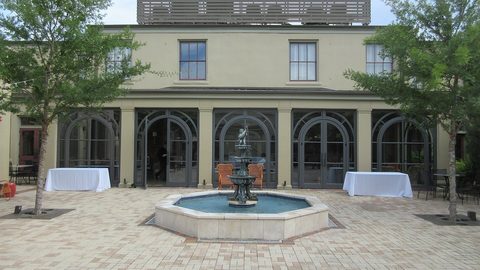
 New Orleans Hotels The Historic Boutique and Festival Premium
New Orleans historic and boutique hotels from the Monteleone to the Pontchartrain, and what Jazz Fest minimum stays and surge pricing do to the bill.
New Orleans Hotels The Historic Boutique and Festival Premium
New Orleans historic and boutique hotels from the Monteleone to the Pontchartrain, and what Jazz Fest minimum stays and surge pricing do to the bill.
-
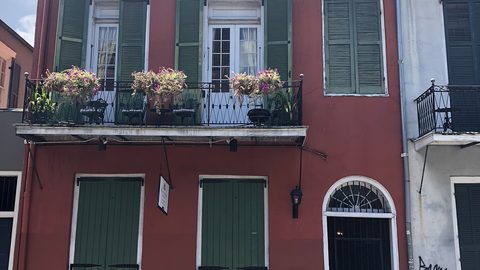 Where to Stay in New Orleans by How Late You Plan to Be Out
Choose your New Orleans neighborhood by your bedtime: French Quarter for 4 a.m. chaos, Marigny for the Frenchmen Street stagger, CBD for midnight quiet.
Where to Stay in New Orleans by How Late You Plan to Be Out
Choose your New Orleans neighborhood by your bedtime: French Quarter for 4 a.m. chaos, Marigny for the Frenchmen Street stagger, CBD for midnight quiet.
-
 Flying into New Orleans Memphis and Nashville for a Music Triangle Trip
How to book flights for a New Orleans, Memphis, and Nashville music trip, including open-jaw strategies, MSY ground transport, and the case for driving one leg.
Flying into New Orleans Memphis and Nashville for a Music Triangle Trip
How to book flights for a New Orleans, Memphis, and Nashville music trip, including open-jaw strategies, MSY ground transport, and the case for driving one leg.
-
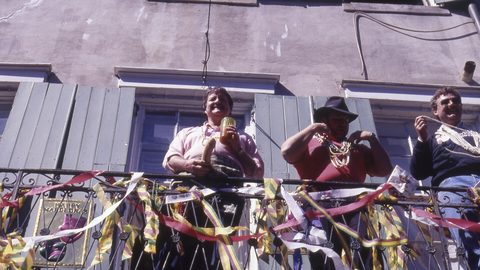 New Orleans Beyond the Music What to Do Between the Nights
Daytime New Orleans for the music traveller who sleeps late: shaded sculpture gardens, powerful Bywater murals, and streetcar rides through the Garden District.
New Orleans Beyond the Music What to Do Between the Nights
Daytime New Orleans for the music traveller who sleeps late: shaded sculpture gardens, powerful Bywater murals, and streetcar rides through the Garden District.
-
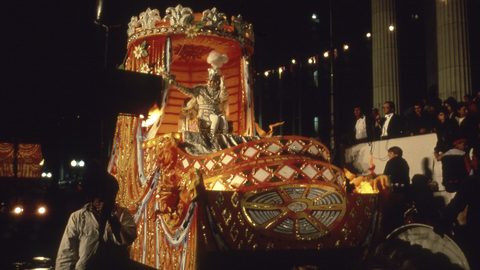 The New Orleans Calendar Mardi Gras Jazz Fest and the Summer Slump
-
 Getting Around New Orleans at Night Without a Car
How to get around New Orleans after midnight when streetcars stop, ride-share prices spike at 2 a.m., and the sidewalks are your fastest—and most hazardous—option.
Getting Around New Orleans at Night Without a Car
How to get around New Orleans after midnight when streetcars stop, ride-share prices spike at 2 a.m., and the sidewalks are your fastest—and most hazardous—option.
-
 Music America Road Trip: Where the Sound Comes From and How to Drive It
Map your cross-country music pilgrimage by car, linking the Mississippi Delta, Appalachia, and the Rust Belt into one continuous American soundtrack.
Music America Road Trip: Where the Sound Comes From and How to Drive It
Map your cross-country music pilgrimage by car, linking the Mississippi Delta, Appalachia, and the Rust Belt into one continuous American soundtrack.
-
 New Orleans or Memphis Which American Music City Should You Visit First
New Orleans offers denser, more serendipitous live music and later nights; Memphis is cheaper, more compact, and historically deeper for blues and soul.
New Orleans or Memphis Which American Music City Should You Visit First
New Orleans offers denser, more serendipitous live music and later nights; Memphis is cheaper, more compact, and historically deeper for blues and soul.
-
 New Orleans Jazz Fest or an Ordinary Music Week The Trade Nobody Tells You
Jazz Fest brings legendary lineups but packed clubs and surge pricing; an ordinary week offers breathing room, lower costs, and the same local bands.
New Orleans Jazz Fest or an Ordinary Music Week The Trade Nobody Tells You
Jazz Fest brings legendary lineups but packed clubs and surge pricing; an ordinary week offers breathing room, lower costs, and the same local bands.