European Festival Camping Without a Car A Packing and Rail Plan
A practical guide to European Festival Camping Without a Car A Packing and Rail Plan.
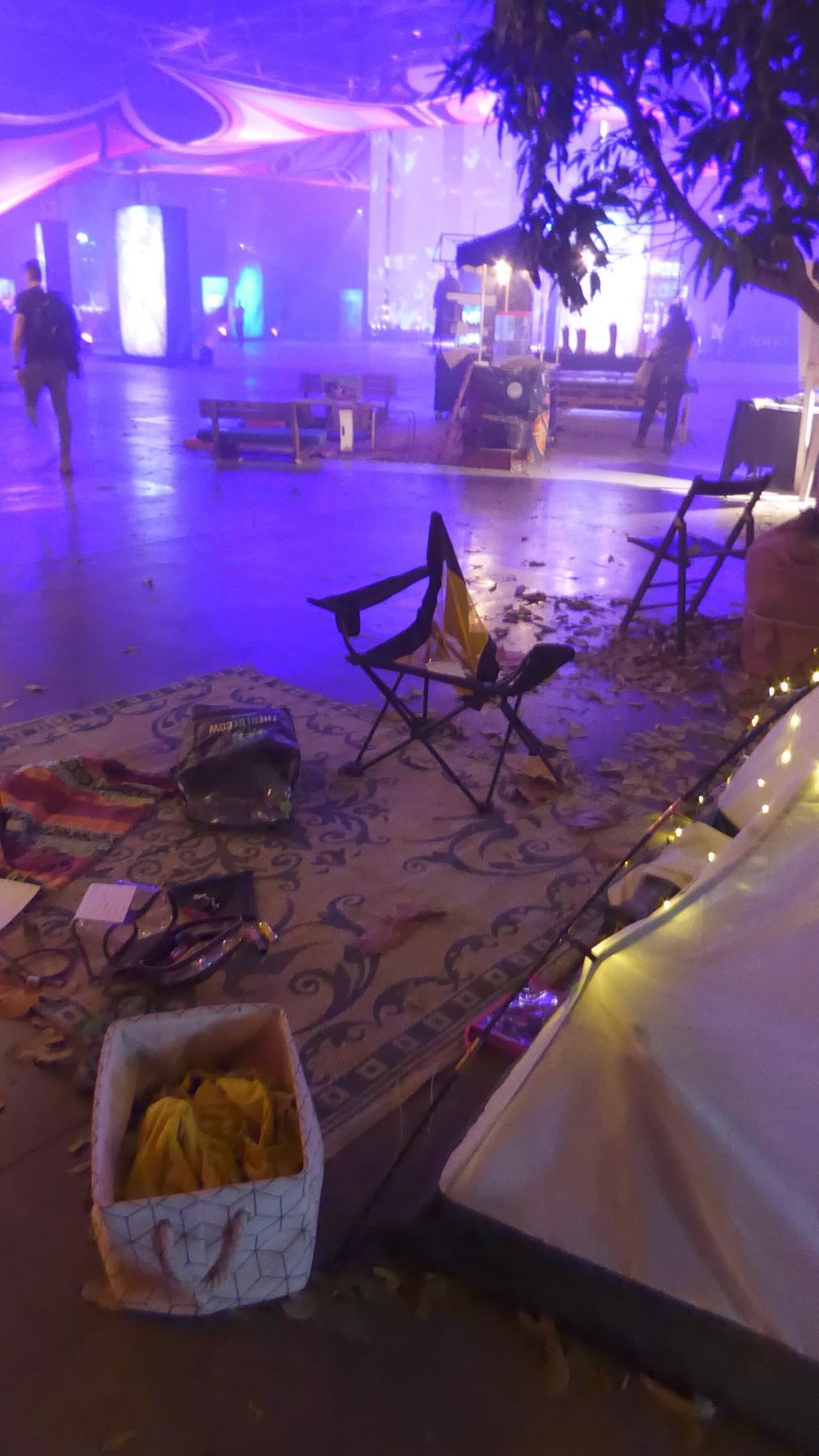

What the rail network actually lets you carry
Camping by train across Europe means packing light, but the rules are more generous than many first-timers expect. Eurostar sets the tightest physical constraint: each passenger may bring two bags no longer than 85 cm plus one small item of hand luggage. Tents and tent pegs are explicitly permitted inside that allowance, provided they are packed in a bag or case that respects the length limit. There is no weight restriction on Eurostar, though you must be able to carry and stow everything yourself.
One hard prohibition matters enormously for campers. Camping gas or butane cylinders and canisters are banned on Eurostar under all circumstances, including the registered luggage service EuroDespatch. If your stove runs on a screw-on canister, leave it at home and plan to buy fuel at your destination. On most European mainline trains operated by DB, ÖBB, Trenitalia and SBB, the same self-carry principle applies without enforced weight limits or baggage fees. Interrail and Eurail Pass holders follow the luggage conditions of whichever railway company is running the train; the Pass itself adds no separate rules.
The practical takeaway is straightforward. A single rucksack that holds your tent, sleeping mat and clothes will almost always be easier to manage than multiple bags, especially when you are changing platforms or boarding a crowded service. Pack your tent poles inside the main bag rather than strapped externally, and check that the packed length stays under 85 cm if any leg of your journey uses Eurostar.
Festivals where the train ticket is part of the deal
Several major European festivals have built rail travel directly into their ticket infrastructure, removing the need to book separate transport. Rock Werchter includes one free return train journey in second class from any Belgian station to Aarschot or Leuven with every festival ticket. Free shuttle buses connect those stations to the festival site. The arrangement means you can step off a cross-border train in Brussels and continue to the festival without spending another euro on domestic travel.
Pukkelpop goes a step further. SNCB-NMBS offers a free return train ticket for festival ticket holders, valid between any Belgian station and Kiewit station, which sits roughly a five-minute walk from the festival grounds and campsites. On each festival night, dedicated night trains run from Kiewit to Bruges and Antwerp-Central. A special night train ticket costs €17 return, with seats limited and requiring advance booking. The free daytime ticket and the paid night service are separate products, so you need to decide whether you are returning after the headliner or staying until the final act and riding a night service back to a city with accommodation.
Tomorrowland takes a different approach with its Global Journey train packages. These bundled deals include travel and festival entry, with a specific luggage policy: one suitcase up to 20 kg, one piece of hand luggage up to 7 kg, and one tent up to 10 kg. Extra luggage may be refused, and alcohol is not permitted on board. The weight caps are unusual for European rail and worth factoring in if you normally carry heavy camping gear.
Festivals that reward a short suburban hop
Sziget Festival in Budapest sits on an island with a suburban railway link that makes camping logistics unusually simple. The HÉV H5 line runs from the city centre to Filatorigát stop, with trains every five minutes during peak exit times between 23:00 and 01:00. Basic camping on the island is included free with multi-day passes, so you do not need to carry a tent back and forth each night. The combination of frequent late-night trains and included camping removes two of the biggest headaches of festival rail travel: the last-mile journey after midnight and the weight of a full camping setup.
Glastonbury Festival relies on a different model. The nearest railway station is Castle Cary, from which a free shuttle bus runs to Pedestrian Gate A for festival ticket holders. The festival does not take place every year; the next edition is in 2027, with a fallow year in 2026. When planning a future trip, note that trolleys, wheelie bins and four-wheeled trucks are not permitted on trains or shuttle buses. That rule shapes your packing strategy: everything must be carried on your back or in bags you can lift, which aligns with the general European rail principle of self-carrying luggage.
Night trains that change the camping equation
A sleeper train can turn a long journey into a night of rest and remove the need for a hotel on either end of a festival. European Sleeper operates a Brussels-Prague night train three times weekly in 2026, and from September 2026 it launched a new Brussels-Milan sleeper via Switzerland. Shared compartments start from €49.99. For a festival-goer travelling from western Europe to a central or southern European event, a sleeper means arriving in the morning with a full day ahead rather than losing half a day to a flight and airport transfers.
The luggage rules on night trains follow the same pattern as daytime services: you carry what you bring. A tent bag that fits the Eurostar 85 cm limit will slide under a couchette or onto an overhead rack without issue. The main tradeoff is frequency. A route that runs three times weekly demands that you align your festival dates with the timetable, and missing a departure could mean a costly last-minute alternative. Always verify current schedules and frequencies directly with European Sleeper before booking, because routes and departure patterns are subject to change between seasons.
Packing strategy when every gram sits on your back
A rail-based festival trip rewards a packing list built around three constraints: the 85 cm length limit on Eurostar, the absence of weight limits on most mainline trains, and the self-carry rule that applies everywhere. The tent is the bulkiest item. Choose a model whose packed length fits comfortably inside your main rucksack rather than one that needs to be carried separately. A sleeping mat that packs small and a sleeping bag with a compression sack free up volume for clothes and a basic hygiene kit.
The fuel question is the one hard stop. Because gas canisters are banned on Eurostar and most cross-border services will have similar hazardous goods restrictions, your stove choice matters. A stove that runs on liquid fuel may face its own restrictions, so the safest approach is to buy a canister at a camping shop or hardware store in your destination city. Research a stockist near the arrival station before you travel. A small, foldable stove that accepts widely available screw-on canisters gives you the most flexibility.
Footwear is the other item worth prioritising. A single pair of waterproof boots that you wear on travel days saves pack space and handles both the journey and the festival terrain. Pack a pair of lightweight sandals or trainers for dry moments at camp. Every item that does not serve at least two purposes should earn its place against the reality that you will carry it through stations, onto trains, and across festival fields.
How to verify the details that change every year
Several pieces of information in any festival rail plan are inherently mutable. Festival dates shift, night train departure times adjust, and ticket prices change between editions. The key is knowing which official source holds the authoritative answer for each piece of the puzzle.
For Pukkelpop, the SNCB-NMBS event page is the place to confirm night train departure times, ticket prices, and availability for the current year. Rock Werchter's public transport page publishes the free train ticket download window, night train schedules, and shuttle bus operating hours for each edition. Tomorrowland's Global Journey train package luggage allowances and alcohol policy should be rechecked each festival year via the official sales page. For Glastonbury, note the fallow year pattern and check National Rail's festival page closer to the next edition for shuttle bus timetables and train services. European Sleeper routes, departure frequencies, and pricing are subject to timetable changes, so always verify current schedules directly on the operator's website before committing to a booking.
The principle is simple: never assume last year's details still hold. A quick check of the official operator or festival transport page a few weeks before you book can prevent a plan built around a train that no longer runs or a luggage rule that has tightened.
Sources and verification
- eurostar.com — Research source checked for this guide
- help.eurostar.com — Research source checked for this guide
- help.raileurope.com — Research source checked for this guide
- eurorailtimes.com — Research source checked for this guide
- interrail.com — Research source checked for this guide
- belgium.tomorrowland.com — Research source checked for this guide
Read next
-
 Keeping Festival Tickets and Travel Plans Available When the Signal Drops
Keep festival tickets, rail plans and room details ready offline, with practical battery tips, meeting points and late-night travel backups.
-
 How to Plan a European Festival Circuit by Train Without Missing the Gigs
Build a three-city European festival circuit by train, with date-led routes, venue-focused stays and realistic plans for getting home after the last set.
-
 How an Artist's Chart Run Should Shape Your US Festival Calendar
Track an artist's chart momentum to predict US festival billing tiers and book tickets before prices and crowds outpace the experience.