Solo Festival Travel Meeting People and Getting Home Safely
A practical guide to Solo Festival Travel Meeting People and Getting Home Safely.
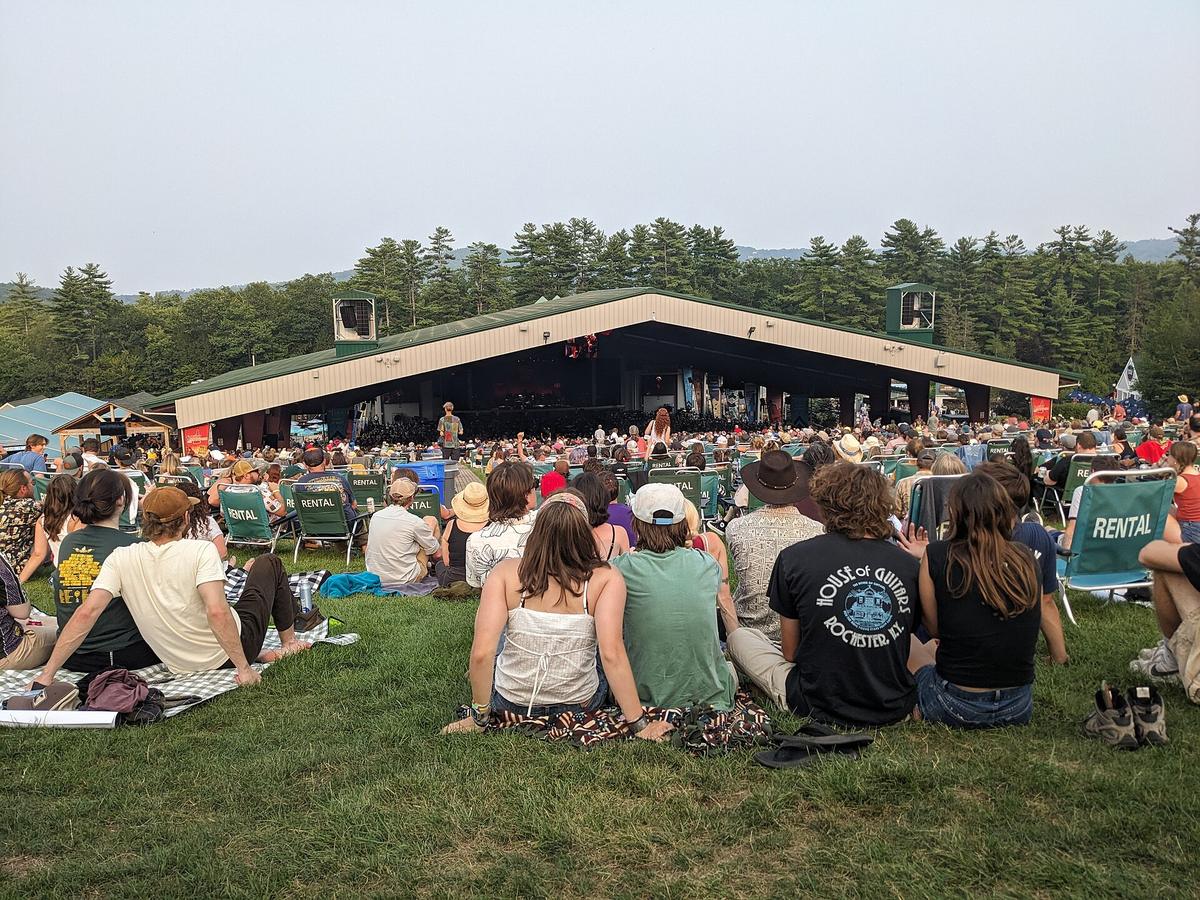

Planning your solo trip before you leave home
Travelling to a festival alone is one of the most rewarding ways to experience live music. You set your own timetable, see the acts you care about, and open yourself to meeting people you might otherwise never encounter. That freedom works best when it rests on a solid safety plan built before you walk out your front door.
The UK Foreign, Commonwealth & Development Office recommends two steps that take minutes but can transform how a trip unfolds. First, obtain travel insurance that covers your full itinerary, the activities you plan to take part in, and any emergency medical expenses. Keep the policy document and the insurer's contact numbers with you, not buried in a bag you might not reach quickly. Second, add your emergency contacts to the last page of your passport and tell family or friends exactly where you will be staying. A shared location pin or a note in a group chat gives someone a starting point if they need to reach you.
Transport deserves the same advance attention. Victoria Police recommends arranging safe transport to and from the venue before you leave home. Check public transport timetables for the festival dates, note when the last service departs, and decide whether you will need a designated driver. If the festival publishes a dedicated travel page, use it. The responsible transport authority for the area will have the definitive schedule, and festival organisers often negotiate extended services that a generic journey planner might miss.
Keeping your documents and valuables secure
A passport is the single most important item you carry at a festival abroad, and losing it creates immediate pressure. The FCDO advises keeping your passport and valuables in a safe place at all times. Some festivals provide lockers, and renting one removes the daily worry of carrying documents through a crowd. If a locker is not available or you choose not to use one, keep your passport in a zipped inside pocket where it cannot slip out or be reached easily by someone else.
If a UK passport is lost or stolen, you cannot simply board a flight home. You must apply for an emergency travel document, which costs £125 and is non-refundable. The application is made online, and the document is usually ready in two working days. That timeline means you could miss part of the festival and may need to extend your accommodation. Before you travel, check the current fee and processing time with HM Passport Office, as both can change.
At the campsite, the Suzy Lamplugh Trust offers practical advice for solo campers. Choose a well-lit pitch and take note of nearby landmarks so you can find your tent even after dark. Do not put a padlock on the tent; it signals that valuables are inside and can make the tent a target. Never leave valuables unattended in the tent at any time. If the festival has stewards, they wear identifiable tabards and can point you toward official lockers or help if you feel unsafe.
Meeting people without lowering your guard
A solo festival is a social experience by design. You share a field with thousands of people who love the same music, and conversations start easily in queues, at stages, and around food stalls. The key is to keep that openness while protecting your ability to make clear decisions.
Drink spiking is a real risk in crowded environments. NHS 24 and Police Scotland identify common symptoms that include sudden dizziness, confusion, slurred speech, loss of consciousness, nausea, hallucinations, and amnesia. These can appear within five to twenty minutes of consuming a spiked drink and may last up to twelve hours. Safer Scotland's prevention guidance is straightforward: never leave your drink unattended, never accept a drink from someone you do not know, and throw away any drink that tastes strange or different. If you start feeling unexpectedly unwell or disoriented, tell a steward, a bar staff member, or a medical tent worker immediately.
Meeting fellow festival-goers is part of the experience, and most people are there for the same reason you are. A practical approach is to suggest meeting at a specific stage or food area rather than inviting someone back to your tent, and to exchange social media handles rather than precise accommodation details until you have built trust over time.
Navigating the festival site safely
Once you are inside the gates, the layout of the site becomes your daily geography. The Victorian Government's Code of Practice for running safer music festivals requires on-site first aid and medical care to be accessible within five minutes from all sections of the crowd, with clear signposting to its location. When you arrive, make a point of locating the medical tent and at least two sets of toilets and water points. That small act of orientation means you will not be searching for help if you need it later.
Festival stewards are your most visible safety resource. They wear identifiable tabards and are positioned throughout the site. If you feel unwell, lose your phone, or encounter a situation that makes you uncomfortable, approach a steward rather than trying to solve the problem alone. At campsites, tents must not be pitched in fire lanes or emergency exits. These rules exist so that emergency vehicles can reach every part of the site quickly, and blocking them puts everyone at risk.
If the festival offers lockers, consider renting one even for a single day. Storing your passport, backup payment card, and phone charger in a locker means a lost bag or a spilled drink does not become a crisis.
Getting home safely after the music stops
The journey home is when fatigue, alcohol, and unfamiliar surroundings combine to create risk. Victoria Police advises that if you are travelling home alone, you should ring a trusted contact and talk to them until you are safely through your door. That call keeps someone aware of your location and can deter unwanted attention. In Victoria, Protective Services Officers are present on platforms and trains until the last service, but this level of staffing varies by location. Check what safety measures your specific route offers.
Pre-arranging your transport is the single most effective step. Decide before you leave home whether you will use public transport, a taxi, or a rideshare service. Know where the pick-up and drop-off zones are, and check the last departure time for your route. Festival travel pages often publish this information, but the local transit authority remains the definitive source. If you are attending a festival in a country you do not know well, download the local transport app and save your route before your phone battery runs low.
In an emergency at a festival in Europe, the number to call is 112. For festivals in other countries, the local emergency number varies. The FCDO publishes foreign travel advice by country that includes the correct emergency numbers. Look this up before you travel and save it in your phone contacts.
What to do if something goes wrong
Even careful planning cannot prevent every problem. Knowing the steps to take reduces panic and speeds up a resolution.
If your passport is lost or stolen, report it immediately. You will need to apply online for an emergency travel document through HM Passport Office. The fee is £125 and the document is usually ready in two working days. This timeline is not guaranteed, and you should check the current processing time before you travel. While waiting, you may need to find accommodation and inform your insurer. This is where having your policy number and emergency contact details accessible pays off.
If you or someone near you shows signs of spiking, seek medical help at once. The on-site medical tent is designed to handle these situations, and staff are trained to recognise the symptoms. Do not wait to see if the feeling passes. If you are in a country where you do not speak the language, the emergency number 112 in Europe connects you to operators who can take calls in multiple languages. Outside Europe, the local emergency number will vary, and the FCDO's country-specific travel advice is the place to verify it.
After any incident, contact your travel insurer as soon as practical. They can advise on next steps, arrange replacement documents, and cover costs that fall within your policy.
Sources and verification
- gov.uk — Research source checked for this guide
- gov.uk — Research source checked for this guide
- nhs24.scot — Research source checked for this guide
- suzylamplugh.org — Research source checked for this guide
- police.vic.gov.au — Research source checked for this guide
- leedsfestival.com — Research source checked for this guide
Common Questions
What should I do if my drink tastes strange at a festival?
Throw it away immediately. Safer Scotland advises never to consume a drink that tastes strange or different, as this can be a sign of spiking. If you begin to feel dizzy, confused, or nauseous, seek help from a steward or the medical tent straight away.
How do I get home if I lose my passport at a festival abroad?
You must apply for an emergency travel document through HM Passport Office. The application is made online, costs £125, and the document is usually ready in two working days. Check the current fee and processing time before you travel, as both can change.
Is it safe to put a padlock on my tent at a festival?
The Suzy Lamplugh Trust advises against it. A padlock signals that valuables are inside and can make your tent a target. Instead, use official lockers for valuables and never leave them unattended in your tent.
What is the emergency number at festivals in Europe?
The number to call is 112. For festivals outside Europe, the local emergency number varies by country. Check the FCDO foreign travel advice for your specific destination before you travel.
Read next
-
 A Three City Concert Trip by Night Train Without Losing a Day
A practical guide to A Three City Concert Trip by Night Train Without Losing a Day.
-
 European Festival Camping Without a Car A Packing and Rail Plan
A practical guide to European Festival Camping Without a Car A Packing and Rail Plan.
-
 Keeping Festival Tickets and Travel Plans Available When the Signal Drops
Keep festival tickets, rail plans and room details ready offline, with practical battery tips, meeting points and late-night travel backups.
-
 How to Plan a European Festival Circuit by Train Without Missing the Gigs
Build a three-city European festival circuit by train, with date-led routes, venue-focused stays and realistic plans for getting home after the last set.