Berlin Live Music Neighborhoods Beyond the Major Venues
A practical guide to Berlin Live Music Neighborhoods Beyond the Major Venues.
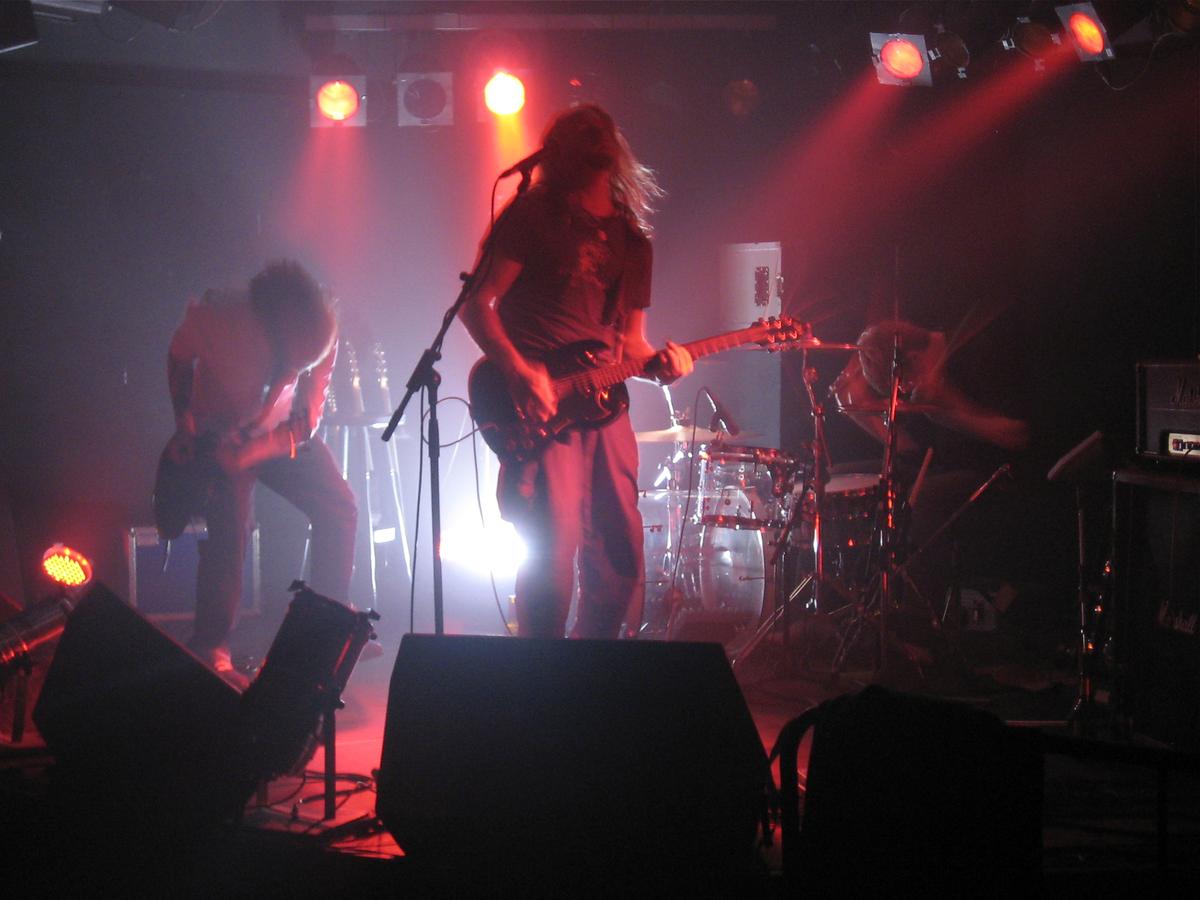

Kreuzberg’s Living Room for Punk and Alternative Sounds
SO36 stands as one of Berlin's longest-running alternative music institutions, a venue where the city's punk and underground scenes found a permanent home. The club opened on 11 August 1978 at Oranienstraße 190 in Kreuzberg, taking its name from the former postal district Südost 36. The building itself predates the music by more than a century, originally constructed in 1861 and serving as a cinema before its transformation into a live venue. Today SO36 operates under the non-profit association Sub Opus 36 e.V., a structure that reflects its community-rooted identity rather than a purely commercial enterprise.
What sets SO36 apart from larger concert halls is the density of its history. Few venues in Berlin can claim to have hosted the breadth of subcultural movements that have passed through this room. The programming continues to centre punk and alternative acts, making it a reliable destination for visitors seeking music that sits outside the mainstream festival circuit. Because the venue is run by a non-profit, checking the official website at so36.com before visiting is the only way to confirm current line-ups and door times, which are not fixed across all events.
Jazz and Blues in a Century-Old Setting
Yorckschlösschen, at Yorckstraße 15 in Kreuzberg, has existed under the same name for over 120 years. That longevity alone places it in a different category from Berlin's transient pop-up bars. The venue programmes live jazz, blues, soul, swing and funk every Wednesday through Saturday evening, with concerts starting at 20:00. The doors open daily at 18:00. Admission operates on a collection basis, meaning the bands are paid directly from audience contributions rather than through a fixed ticket price.
Because of its modest size and consistent popularity, reservation is recommended several days in advance. Groups are limited to a maximum of 15 people, a policy that helps preserve the listening-room atmosphere. The venue's website at yorckschloesschen.de carries current programme details and reservation information. For visitors who want a seated, conversation-quiet music experience rather than a standing club show, Yorckschlösschen represents one of Kreuzberg's most dependable options.
A Micro Jazz Bar in Neukölln
Donau115, at Donaustraße 115 in Neukölln, operates at a scale that larger venues cannot replicate. With a capacity of approximately 50 people, the room functions as an intensely focused listening space. It opened in 2012 and has since gained international recognition, including being named one of the ten best jazz clubs in Europe by The Guardian. The bar opens Tuesday through Saturday from 19:30, and like Yorckschlösschen it uses a collection model: a jug is passed during sets and all proceeds go directly to the musicians. There is no fixed entry fee.
The small capacity means that arrival timing matters, though the venue's own site at donau115.de is the place to check for set times and any special programme nights. For a visitor trying to decide between Yorckschlösschen and Donau115, the tradeoff is largely one of atmosphere. Yorckschlösschen offers a historic, multi-decade jazz tradition in a classic pub setting. Donau115 offers a more recent, deliberately intimate take on the jazz bar, where the proximity to the musicians is part of the draw. Neither charges a fixed ticket, but both depend on audience contributions to sustain their programming.
A Converted Bathhouse on the RAW-Gelände
The RAW-Gelände in Friedrichshain, a former Reichsbahn train repair station turned cultural complex in 1999, houses multiple live-music venues in a single post-industrial site. Among them, Badehaus occupies the former workers' bathhouse of the repair works at Revaler Straße 99. It opened in 2011 and programmes a broad stylistic range: indie rock, jazz, folk, world music, punk and metal. The venue spreads across two indoor floors and a summer terrace, with the main-floor concert space holding approximately 250 standing.
Badehaus sits a short walk from S+U Warschauer Straße station, which is served by S-Bahn lines S3, S5, S7, S75 and S9, plus U-Bahn lines U1 and U3. That transport density makes it one of the more accessible venues in the eastern part of the city. The RAW-Gelände also contains Cassiopeia and the House of Music, the latter offering studios, a stage, a café and community concert space. For a visitor planning an evening around Badehaus, the concentration of venues on the same site means that checking schedules across multiple rooms at badehaus-berlin.com and the other venues' own sites can reveal complementary shows on the same night.
Upside-Down and Underground in Kreuzberg
Two Kreuzberg venues sit at opposite ends of the aesthetic spectrum but share a commitment to programming that avoids the obvious. Madame Claude, at Lübbener Straße 19 near Schlesisches Tor, opened in 2008 and is immediately recognisable for its upside-down interior, with furniture fixed to the ceiling. The venue hosts experimental live music and DJ sets, and runs a weekly Monday series called Experimontag as well as a bi-weekly open mic. Its location near Schlesisches Tor places it in a part of Kreuzberg dense with bars and late-night food options.
Privatclub, at Skalitzer Straße 85-86, occupies a basement in a former post office building with a capacity of approximately 200. Its programming spans indie rock, pop, soul, hip-hop and electronic music, with concerts on weeknights and club nights at weekends. The two venues are close enough that a visitor could check schedules at madameclaude.de and privatclub-berlin.de and plan a single evening around both, though the musical styles differ enough that they rarely compete for the same audience on the same night. Madame Claude leans toward the experimental and unpredictable. Privatclub books acts that sit closer to the indie mainstream while still operating below arena scale.
A Two-Storey Institution on Gneisenaustraße
Junction Bar, at Gneisenaustraße 18 in Kreuzberg, has been operating since 1993. The venue is split across two storeys that function independently: a street-level café and a cellar live-music club, with no internal staircase connecting them. The programming covers jazz, soul, blues, rock, pop and Brazilian music, a range that reflects the venue's longevity and its willingness to book across genres rather than specialising narrowly.
For a visitor, the practical implication of the separated floors is that the café and the club operate as distinct experiences. Someone arriving for a concert enters the cellar space directly, while the café above runs its own rhythm. Checking junction-bar.de before visiting clarifies which floor is hosting what on a given evening. Junction Bar's three-decade history places it in a generation of Berlin venues that opened after the Wall fell and helped define the city's live-music identity in the years that followed. It sits slightly south of the Bergmannkiez area, a neighbourhood with its own concentration of restaurants and bars that can anchor an evening around a show.
Sources and verification
- so36.com — Research source checked for this guide
- spiegel.de — Research source checked for this guide
- berlin.de — Research source checked for this guide
- yorckschloesschen.de — Research source checked for this guide
- berlin.de — Research source checked for this guide
- visitberlin.de — Research source checked for this guide
Read next
-

 Where to Stay in Berlin for Nights Out That End at Sunrise
Where to stay in Berlin for nightlife: Friedrichshain for club proximity, Kreuzberg for bars, Neukölln for the edge, and Mitte only if you need quiet.
-
 What to Do in Berlin Beyond the Techno Clubs and Famous Wall
Berlin is more than Berghain and Brandenburg Gate. Here are the best daytime districts, sprawling parks, lakes, and museums to explore beyond the bass bins.
-
 Best Time to Visit Berlin by Season for Weather Crowds and Culture
Berlin's character changes dramatically with the seasons. Find the right month for lake swimming, Christmas markets, or gallery hopping without the tourist crush.
-
 Getting Around Berlin Without a Car Using the U-Bahn S-Bahn and Tram
Navigate Berlin's U-Bahn, S-Bahn, tram, and bus system with confidence. A practical guide to zones, tickets, and the crucial validation step tourists miss.
-
 Germany Music Travel Guide Techno Clubs and the Door Policy
Plan a German techno pilgrimage with this guide to club door policies, city-by-city scene comparisons, and practical tips for international visitors navigating Berlin, Hamburg, and beyond.
-
 European Festival Camping Without a Car A Packing and Rail Plan
A practical guide to European Festival Camping Without a Car A Packing and Rail Plan.
-
 Keeping Festival Tickets and Travel Plans Available When the Signal Drops
Keep festival tickets, rail plans and room details ready offline, with practical battery tips, meeting points and late-night travel backups.
-
 How to Plan a European Festival Circuit by Train Without Missing the Gigs
Build a three-city European festival circuit by train, with date-led routes, venue-focused stays and realistic plans for getting home after the last set.
-
 How an Artist's Chart Run Should Shape Your US Festival Calendar
Track an artist's chart momentum to predict US festival billing tiers and book tickets before prices and crowds outpace the experience.