Frenchmen Street Without a Cover Charge How the One Drink Minimum Really Works
A practical guide to Frenchmen Street Without a Cover Charge How the One Drink Minimum Really Works.
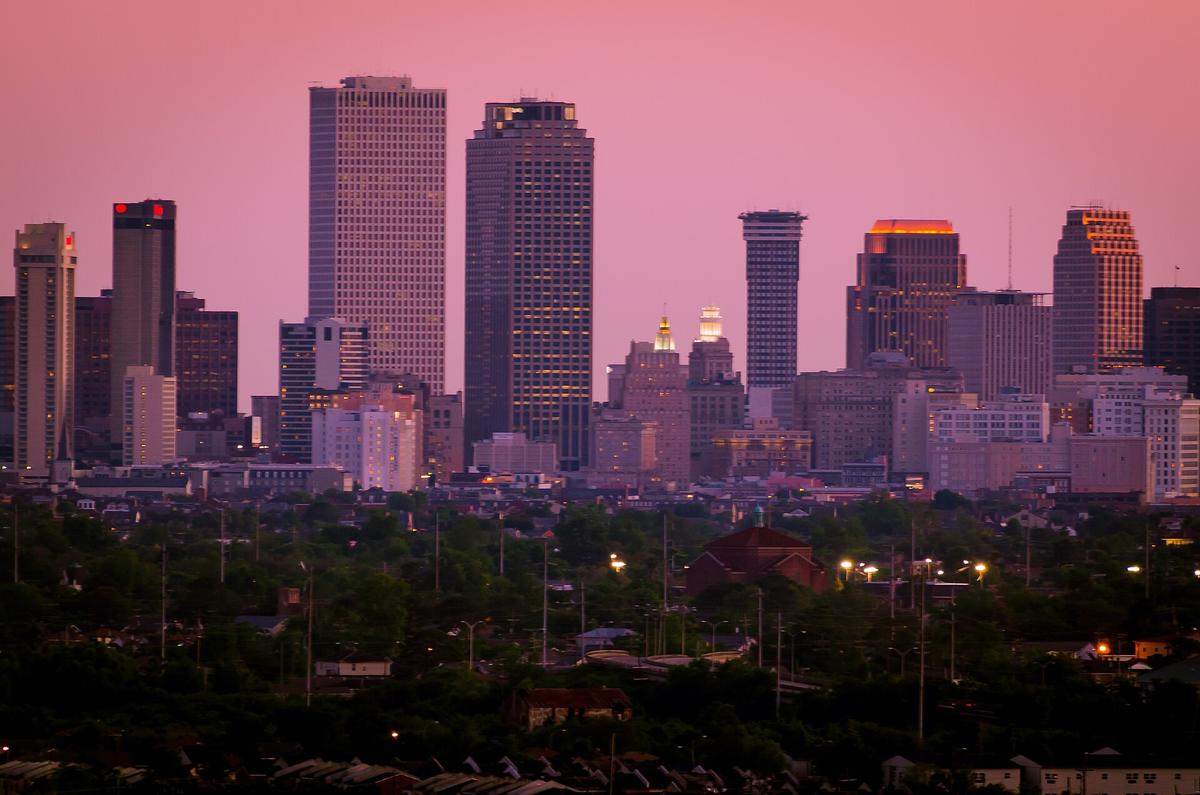

How the One Drink Minimum Works on Frenchmen Street
Frenchmen Street runs a music economy that confuses plenty of first-time visitors. The marquee outside a club says no cover, a band is playing full tilt inside, and the door is wide open. The natural instinct is to walk in, find a spot, and enjoy the set without spending a cent. That instinct is wrong, and it shortchanges the musicians who make the street worth visiting in the first place.
The vast majority of venues on Frenchmen Street do not charge a cover. Instead they operate on a drink-minimum model, with musicians typically paid as a percentage of the bar plus tips. The arrangement is straightforward in principle but easy to misunderstand in practice, especially if you are used to venues that collect a door fee and leave your spending choices alone once you are inside.
What the One Drink Minimum Actually Means
The one-drink minimum is not a suggestion posted near the tip jar. It is the economic foundation of the free-entry music circuit. When a venue advertises no cover, it expects every person who stays for a set to purchase at least one drink or, in some cases, a food item. The obligation is per set, not per visit. If you stay through two sets, the expectation resets. A second drink purchase applies.
This model rewards club-hopping. Frenchmen Street music venues are concentrated within roughly three blocks from Esplanade and Decatur to Royal Street, making it easy to walk between multiple clubs in a single evening. You might catch an early set at one spot, buy a drink, then move two doors down for the next band and buy another. The musicians benefit from the churn, and you get a varied night without ever paying a door charge.
Venues That Follow the Drink-Minimum Model
Several of the street's best-known rooms run on this system. The Maison, at 508 Frenchmen Street, states that almost all of its shows are no cover, with a one drink or food item minimum per set. Because The Maison is also a restaurant, the minimum can be satisfied by dining, and the dining room and stage share the same area. That makes it one of the easiest places to meet the requirement without ordering alcohol.
The Spotted Cat Music Club, at 623 Frenchmen Street, operates with a one-drink minimum per set and is a cash-only venue. It does not accept reservations. Entry is strictly first-come, first-served, and the venue is 21 and older only. A valid physical photo ID or passport is required. Photos of an ID are not accepted, so leave the phone screenshot at home and bring the real document.
The Blue Nile, at 532 Frenchmen Street, lists many of its shows as free admission with valid ID and drink purchases. Some specific events state the policy explicitly as no cover with a one drink minimum per person to support the artists. The Apple Barrel Bar, at 609 Frenchmen Street, is a cash-only, 21 and older venue with no cover charge, tucked beneath Adolfo's Restaurant.
The Exceptions That Charge a Cover
Not every door on Frenchmen Street is free. Two prominent venues operate on a different model, and knowing which ones they are saves you from an awkward surprise when you reach the entrance.
D.b.a., at 618 Frenchmen Street, typically charges a modest cover rather than relying on a drink-minimum model. It is one of the few Frenchmen Street venues that consistently charges a door fee. Snug Harbor Jazz Bistro, at 626 Frenchmen Street, is always ticketed. It runs a seated listening-room format with advance ticket purchases required and does not operate on a drink-minimum or no-cover model at all. If your goal is a completely cover-free evening, skip these two and stick to the drink-minimum clubs.
Planning a Night Without a Cover Charge
A successful no-cover night on Frenchmen Street depends on preparation more than luck. Carry cash. The Spotted Cat and the Apple Barrel Bar are both cash-only, and even venues that accept cards may have a faster bar line for cash buyers during a packed set. Bring a physical ID. The Spotted Cat's door policy is unambiguous on this point, and other venues may apply the same standard even if they do not advertise it as loudly.
Arrive early if you have your heart set on a particular band. The Spotted Cat's first-come, first-served policy means a popular late set can fill up while you are still finishing dinner. The street's compact geography works in your favor here. If one club is at capacity, you can walk to another within two minutes and try again later.
Check each venue's calendar before you go. Cover charges, drink-minimum policies, and show schedules can change without notice, especially during major events like Jazz Fest, French Quarter Fest, or Mardi Gras. A room that is normally no-cover may add a door charge during a high-demand weekend. The responsible sources to verify are the venue's own official calendar. For The Maison, check maisonfrenchmen.com. For The Spotted Cat, visit spottedcatmusicclub.com. For the Blue Nile, go to bluenilelive.com. For d.b.a., see dbaneworleans.com. For Snug Harbor, the calendar is at snugjazz.com.
Making the Minimum Work for You
The drink-minimum system is flexible in ways that reward a little strategy. At The Maison, you can satisfy the requirement with food instead of alcohol, which makes it a natural first stop if you want to eat dinner while hearing live music without paying a separate cover. At any drink-minimum venue, a non-alcoholic beverage counts. You do not need to order a cocktail. A soda, a sparkling water, or a juice meets the expectation just as well.
If you plan to stay for multiple sets at the same venue, budget for a fresh drink each set. The requirement resets when the band changes. That is not a loophole to exploit. It is how the musicians get paid. The bar tab you run during a set directly supports the people on stage, because their compensation is tied to bar revenue plus tips. A cash tip in the bucket is appreciated, but it does not replace the drink purchase that the venue's model depends on.
Sources and verification
- maisonfrenchmen.com — Research source checked for this guide
- nola.com — Research source checked for this guide
- spottedcatmusicclub.com — Research source checked for this guide
- bluenilelive.com — Research source checked for this guide
- adolfosneworleans.com — Research source checked for this guide
- nola.show — Research source checked for this guide
Read next
-
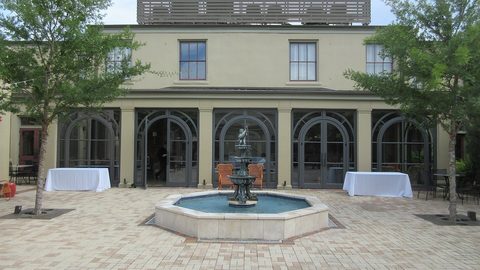
 New Orleans Hotels The Historic Boutique and Festival Premium
New Orleans historic and boutique hotels from the Monteleone to the Pontchartrain, and what Jazz Fest minimum stays and surge pricing do to the bill.
-
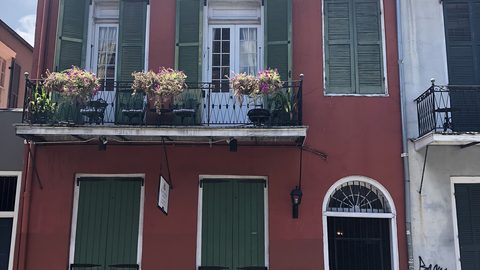 Where to Stay in New Orleans by How Late You Plan to Be Out
Choose your New Orleans neighborhood by your bedtime: French Quarter for 4 a.m. chaos, Marigny for the Frenchmen Street stagger, CBD for midnight quiet.
-
 Flying into New Orleans Memphis and Nashville for a Music Triangle Trip
How to book flights for a New Orleans, Memphis, and Nashville music trip, including open-jaw strategies, MSY ground transport, and the case for driving one leg.
-
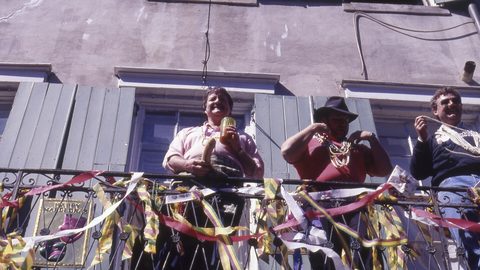 New Orleans Beyond the Music What to Do Between the Nights
Daytime New Orleans for the music traveller who sleeps late: shaded sculpture gardens, powerful Bywater murals, and streetcar rides through the Garden District.
-
 The New Orleans Calendar Mardi Gras Jazz Fest and the Summer Slump
-
 Getting Around New Orleans at Night Without a Car
How to get around New Orleans after midnight when streetcars stop, ride-share prices spike at 2 a.m., and the sidewalks are your fastest—and most hazardous—option.
-
 Music America Road Trip: Where the Sound Comes From and How to Drive It
Map your cross-country music pilgrimage by car, linking the Mississippi Delta, Appalachia, and the Rust Belt into one continuous American soundtrack.
-
 The New Orleans Brass Band Map From the Quarter to the Back of the Ninth Ward
A practical guide to The New Orleans Brass Band Map From the Quarter to the Back of the Ninth Ward.
-
 Reading a New Orleans Shotgun House What the Bargeboard Tells You
A practical guide to Reading a New Orleans Shotgun House What the Bargeboard Tells You.